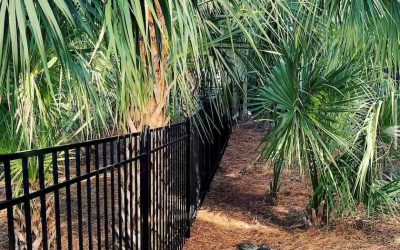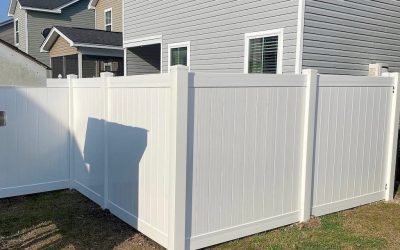


For Charleston pet owners, creating a safe, secure outdoor space for dogs and other pets is a top priority. The right fence provides peace of mind, knowing your pets can enjoy fresh air and exercise without risk of escape or injury. While several fencing materials can contain pets, aluminum fencing offers unique advantages that make it an increasingly popular choice for pet owners throughout Mt Pleasant, Summerville, Johns Island, and the surrounding Lowcountry.
At Fence Pros Charleston, we’ve installed hundreds of aluminum fences for pet owners, and we’ve seen firsthand why this material excels for pet containment. From its exceptional durability and strength to its maintenance-free nature and customizable design options, aluminum fencing provides the perfect combination of functionality and peace of mind for families with pets.
Understanding Pet Containment Needs
Before exploring why aluminum fencing works so well for pets, it’s important to understand what makes a fence truly pet-friendly. Effective pet containment requires more than just a barrier—it requires thoughtful design that accounts for your specific pets’ size, behavior, and tendencies.
Security and Strength
The most fundamental requirement for any pet fence is that it actually contains your pets. This means the fence must be strong enough to withstand impacts from enthusiastic dogs, tall enough to prevent jumping, and designed to prevent digging underneath or squeezing through gaps.
Large, energetic dogs can exert surprising force against fencing, especially when motivated by squirrels, other dogs, or interesting activities on the other side. Your fence needs structural strength that withstands these forces without bending, breaking, or creating gaps.
Visibility Considerations
Dogs, in particular, benefit from fences that allow visibility. Completely solid barriers can increase fence-line frustration, leading to more barking, digging, and attempts to breach the fence. When dogs can see through fencing, they typically exhibit calmer behavior because they’re not constantly wondering what’s happening on the other side.
This visibility also benefits pet owners. Being able to see your pets while they’re in the yard allows you to supervise their activities, quickly spot any problems, and maintain better control of your property.
Durability and Longevity
Quality pet fencing needs to withstand the wear that comes from regular pet contact over many years. Materials that rust or rot create maintenance burdens and potential failure points. The ideal pet fence maintains its structural integrity and appearance throughout its entire lifespan.
Safety Features
The ideal pet fence doesn’t present hazards to your animals. Sharp edges, toxic materials, or designs that allow paws or heads to get caught create unacceptable risks. Safe pet fencing has smooth finishes, appropriate spacing between components, and construction that eliminates entrapment hazards.
Maintenance Requirements
Pet yards can be messy environments. Between pet waste, muddy paws, and general outdoor dirt, fencing in pet areas faces more challenging conditions than purely decorative fencing. Materials that require extensive maintenance or are easily damaged by typical pet yard conditions create ongoing burdens for homeowners.
Why Aluminum Fencing Excels for Pet Containment
Aluminum fencing addresses all of these requirements exceptionally well, offering specific advantages for pet owners that other materials can’t match.
Exceptional Strength and Durability
Despite being lightweight compared to steel or wrought iron, modern aluminum fencing is engineered for impressive strength. The material won’t bend or deform from impacts, even from large dogs running at full speed. The interlocking rail system and posts set in concrete create a rigid structure that contains pets securely.
Unlike chain link fencing that dogs can sometimes push out at the bottom or deform through repeated contact, aluminum fencing maintains its shape and integrity indefinitely. The material won’t develop weak spots, gaps, or entry points that clever pets might exploit.
This strength is particularly valuable for owners of large breeds like Labs, German Shepherds, or Pit Bulls, whose size and energy require fencing that can handle substantial force. Even these powerful dogs won’t damage properly installed aluminum fencing.
Perfect Visibility Balance
Aluminum fencing’s open design provides ideal visibility for both pets and owners. The picket-style construction allows dogs to see through the fence, reducing fence-line anxiety and the associated barking and digging behaviors that come from not knowing what’s on the other side.
This visibility also serves owners’ needs. You can easily monitor your pets’ activities from inside your home, quickly spot any concerns, and maintain visual supervision without needing to be in the yard constantly. This is especially valuable for puppies or dogs who need closer observation.
Complete Rust and Corrosion Resistance
Unlike wrought iron or steel fencing that can rust, aluminum doesn’t corrode. This rust resistance is particularly important in pet yards where regular hosing, pet waste, and general exposure are constant factors.
Rust isn’t just an aesthetic concern. It weakens fencing structure over time, creates rough surfaces that can scratch or injure pets, and leaves unsightly stains on pavers and hardscaping. Aluminum’s corrosion resistance eliminates all these concerns, maintaining both appearance and structural integrity regardless of conditions.
Truly Maintenance-Free Performance
The powder-coated finish applied to aluminum fencing during manufacturing creates a durable, long-lasting surface that requires no maintenance. You won’t need to paint, stain, or seal your fence—ever. Occasional rinsing with a garden hose is the only maintenance required, and that’s optional rather than necessary.
This maintenance-free characteristic is especially valuable in pet yards. Between pet waste, muddy paws, and general outdoor mess, pet areas require frequent cleaning. Having fencing that simply needs an occasional rinse rather than regular refinishing represents significant time and cost savings over the fence’s lifetime.
Safe, Smooth Surfaces
Aluminum fencing presents no sharp edges or rough surfaces that could injure pets. The powder-coated finish creates smooth surfaces that won’t scratch paws or skin during normal contact. There are no splinters like wood fencing, no sharp cut ends like some chain link installations, and no rust spots that can cause tetanus concerns.
The picket spacing is designed to prevent heads or paws from becoming caught, eliminating one of the most dangerous aspects of some fence designs. This safety consideration provides peace of mind that your pets can interact with their fence boundary without injury risk.
Long-Term Value and Lifespan
While aluminum fencing costs more initially than chain link, its 30-50 year lifespan without maintenance means it often costs less over time. You’re making a one-time investment rather than committing to ongoing maintenance expenses and eventual replacement that cheaper materials require.
For pet owners who plan to remain in their homes long-term, this longevity represents excellent value. Your initial fence investment continues serving your needs and those of future pets for decades without requiring additional spending.
Customizing Aluminum Fencing for Your Specific Pets
One of aluminum fencing’s greatest advantages is its flexibility. The system can be customized to address your specific pets’ sizes, behaviors, and containment needs.
Height Options for Different Dog Sizes
Aluminum fencing is available in various heights to accommodate different dog sizes and jumping abilities. Standard residential heights include 4-foot, 5-foot, and 6-foot options, with custom heights available for special situations.
Small Dogs and Most Medium Dogs: Four-foot aluminum fencing typically provides adequate containment for small breeds and most medium-sized dogs who aren’t particularly athletic or motivated jumpers. This height also maintains a more open, less imposing appearance that works well in many neighborhoods.
Large and Athletic Dogs: Five-foot or six-foot fencing is recommended for large breeds, athletic dogs, or any dogs with demonstrated jumping ability. The additional height provides comfortable safety margin that prevents escape attempts and eliminates the temptation to try jumping.
Multiple Dogs or High-Drive Dogs: If you have multiple dogs who might help each other escape, or dogs with particularly high prey drive or escape motivation, err on the side of taller fencing. The peace of mind is worth the modest additional cost.
Picket Spacing Considerations
Standard aluminum fencing features picket spacing designed to prevent human access while maintaining visibility. For pet owners, this spacing serves an additional purpose: it must prevent pets from squeezing through while maintaining the visibility benefits.
Standard residential aluminum fencing typically features 4-inch spacing between pickets, which prevents even most small dogs from squeezing through while maintaining excellent visibility. For very small dogs or puppies, closer spacing can be specified to ensure secure containment during all life stages.
The key is honest assessment of your smallest pet. If you have a Yorkie or Chihuahua, standard spacing might allow escape. For these situations, discuss spacing options with your fence contractor to ensure appropriate containment from the start.
Bottom Rail Considerations
Some aluminum fencing designs incorporate bottom rails that run along the fence line near ground level. These rails serve several purposes for pet owners. They prevent small dogs from squeezing under the fence, create an additional barrier against digging attempts, and provide a clean visual line that enhances the fence’s appearance.
Discuss bottom rail options with your installer, especially if you have small dogs or diggers. This addition can significantly enhance security while adding minimal cost to your installation.
Gate Design and Hardware
Gates represent the most common escape point in any fencing system. For pet containment, gate design requires special attention to ensure security and functionality.
Self-Closing Hinges: Spring-loaded hinges that automatically close gates prevent the common problem of gates being left open accidentally. This feature is particularly valuable in households with children who might forget to close gates behind them.
Self-Latching Mechanisms: Latches that engage automatically when gates close ensure security even if the gate isn’t deliberately latched. This eliminates another common escape scenario.
Multiple Gate Locations: Consider placing gates in convenient locations that reduce the temptation to leave them open. A well-placed gate near your back door creates easier access than one located far away, reducing the likelihood of gates being left open for convenience.
Gate Size: Ensure gates are wide enough for your typical use patterns. If you regularly move equipment like lawn mowers through gates, size them appropriately to prevent damage and frustration.
Addressing Common Pet Behaviors and Challenges
Pet owners know that dogs, in particular, can present unique challenges for fencing. Aluminum fencing’s design and characteristics address these challenges effectively.
Jumping and Climbing Prevention
While no fence is escape-proof for a truly determined dog, aluminum fencing’s smooth vertical surfaces provide no purchase for climbing attempts. Unlike chain link that provides footholds, or wood that offers texture for climbing, aluminum’s smooth pickets discourage and prevent climbing.
The height options available ensure you can select fencing tall enough to prevent jumping by your specific dogs. Be realistic about your dogs’ abilities—if they’ve demonstrated jumping skill over lower barriers, invest in taller fencing rather than hoping they won’t try.
Digging Deterrence
Determined diggers present challenges for any fence system. While aluminum fencing itself extends only slightly below ground, several strategies can discourage or prevent digging escapes:
Buried Barriers: Installing buried wire mesh or concrete along the fence line prevents digging under. This can be done during installation or added later if digging becomes an issue.
Bottom Rails: As mentioned earlier, bottom rails create a visual and physical barrier that can discourage digging attempts.
Landscape Features: Strategic placement of pavers, decorative rock, or plantings along the fence line can make digging less appealing or practical.
For most dogs, the solid, immovable nature of aluminum fencing discourages digging attempts. Unlike more flexible materials that might seem vulnerable to digging, aluminum’s rigidity makes the effort seem futile to most dogs.
Barking and Fence-Line Behavior
The visibility that aluminum fencing provides significantly reduces fence-line barking and agitation. When dogs can see that the interesting things on the other side aren’t actually threats or immediate concerns, they typically settle more quickly than with solid barriers that prevent visual assessment.
This benefit extends to interactions with neighbors. Visible dogs tend to be less mysterious and threatening to neighbors and their pets, often leading to better relationships all around. The open appearance also feels less confrontational than solid privacy fencing, contributing to better neighborhood dynamics.
Chewing and Damage Attempts
Some dogs chew fencing, particularly wood fences. Aluminum’s metal construction and smooth finish make it completely unappetizing to chewers. There’s simply nothing to chew, and the taste and texture are completely unrewarding for dogs who might try.
This resistance to damage extends to scratching and other contact behaviors. While dogs can’t harm aluminum fencing through normal contact, the smooth surface won’t harm them either—a win-win situation that protects both your fence investment and your pets.
Installation Considerations for Pet Fencing
Proper installation is crucial for pet fencing effectiveness. Several factors require attention during planning and installation.
Property Line Assessment
Ensure your fence is installed on your property, not on your neighbors’. Property line disputes are challenging enough without pets being involved. Professional surveyors can mark exact boundaries if there’s any uncertainty. Most contractors, including Fence Pros Charleston, can work with your survey to ensure accurate placement.
Gate Placement Strategy
Think carefully about gate locations. Consider your typical movement patterns, access to hose bibs for watering or cleaning, and how you’ll move equipment in and out of the yard. Also consider traffic flow—gates that open toward high-use areas should swing outward to prevent blocking those areas when open.
For pet containment, sometimes multiple smaller gates work better than one large gate. This allows access from different areas while maintaining smaller openings that are easier to secure and less likely to allow pet escapes during use.
Combining with Other Barriers
Some pet owners combine aluminum fencing with other barriers for enhanced security or functionality. Planting hedges along part of the fence line can provide additional privacy in specific areas while maintaining visibility elsewhere. Creating separate containment areas for different-sized pets allows better management in multi-pet households.
These combinations can provide the best of both worlds—the security and low maintenance of aluminum with the specific benefits of supplementary strategies.
Beyond Dogs: Aluminum Fencing for Other Pets
While this article focuses primarily on dogs, aluminum fencing works well for other pets too.
Cats
For outdoor cats, aluminum fencing with appropriate height can prevent roaming and protect cats from dangers like cars, predators, and hostile neighbors. The smooth surfaces prevent climbing (though very determined cats may still find ways over most fencing). The open design allows cats to safely observe their environment while remaining contained.
Small Animals
For rabbits, guinea pigs, or other small pets that occasionally spend time outdoors in supervised settings, aluminum fencing creates secure areas where they can safely enjoy outdoor time. The appropriate picket spacing prevents escape while allowing you to easily monitor your pets.
Aluminum Fencing in Charleston’s Neighborhoods
Fence Pros Charleston has installed aluminum pet fencing throughout the Lowcountry, from historic Charleston neighborhoods to new developments in Mt Pleasant, Summerville, Bluffton, and Beaufort. The material’s versatility allows it to work in diverse settings while meeting the varying requirements of different communities.
HOA-Friendly Appearance
Many HOAs prefer or require aluminum fencing for its clean, consistent appearance. Unlike chain link that has an industrial look, or wood fencing that can vary in maintenance and appearance between properties, aluminum maintains uniform appearance that enhances neighborhood aesthetics.
If your community has fencing restrictions, aluminum often meets or exceeds HOA requirements while providing the functionality pet owners need. Check your HOA guidelines and discuss options with your contractor to ensure compliance.
Respecting Neighbors
The open, attractive design of aluminum fencing tends to be less contentious with neighbors than solid privacy barriers. Most neighbors appreciate that aluminum fencing clearly defines property lines without creating divisive solid walls between properties.
The material’s low maintenance also benefits neighborhood relationships. Unlike wood fences that can deteriorate and become eyesores, aluminum maintains its appearance indefinitely, ensuring your fence remains an asset rather than becoming a liability.
Making the Investment in Quality Pet Fencing
Installing a pet fence represents a significant investment in your pets’ safety and your peace of mind. While costs vary based on property size, fence height, and design choices, aluminum fencing offers excellent long-term value for pet owners.
At Fence Pros Charleston, we provide detailed, written estimates that clearly specify all costs with no hidden fees. Our competitive pricing reflects our commitment to fair value—not the cheapest, but the best combination of quality materials, professional installation, and reasonable pricing.
We understand that pet containment is about more than just fencing—it’s about protecting beloved family members who depend on you for their safety. That understanding drives our attention to detail in both material selection and installation quality.
Getting Started with Your Pet Fence Installation
If you’re ready to create a safe, secure outdoor space for your pets, contact Fence Pros Charleston for a free consultation and written estimate. We’ll visit your property, assess your specific needs, discuss your pets’ characteristics and behaviors, and recommend the aluminum fencing solution that best meets your requirements.
We serve pet owners throughout Charleston, Mt Pleasant, Summerville, Johns Island, James Island, Sullivan’s Island, Bluffton, Beaufort, Hollywood, Ravenel, Wando, Goose Creek, and surrounding communities in the Lowcountry. Our experienced installation crews—many with over a decade of experience—will install your fence correctly, ensuring reliable performance and lasting satisfaction.
To schedule your free consultation or learn more about our residential fencing options, call (843) 986-6471 or visit our contact page. Let us help you create the perfect outdoor space where your pets can safely play, exercise, and enjoy the beautiful Charleston area with you.
For more information about choosing the right fence contractor, or to explore other fencing materials and options, visit our website or reach out directly. We’re here to answer your questions and help you make the best decision for your family and your pets.
Frequently Asked Questions About Aluminum Fencing for Pets
Is aluminum fencing strong enough for large dogs?
Yes, aluminum fencing is strong enough for large dogs. Despite being lightweight, modern aluminum fencing is engineered for exceptional strength and won’t bend, break, or deform from impacts by even large, energetic breeds like German Shepherds, Labs, or Pit Bulls.
What fence height do I need for my dog?
Height depends on your dog’s size, breed, and jumping ability. Four-foot fencing typically works for small dogs and most medium dogs. Five or six-foot fencing is recommended for large breeds or athletic dogs with demonstrated jumping ability. When in doubt, choose taller fencing for added security.
Can puppies or small dogs squeeze through aluminum fencing?
Standard aluminum fencing features 4-inch picket spacing, which prevents most dogs from squeezing through. For very small breeds or puppies, closer spacing can be specified during installation to ensure secure containment throughout all life stages.
Will aluminum fencing rust?
No, aluminum doesn’t rust. Unlike wrought iron or steel fencing, aluminum is completely corrosion-resistant. Your fence will maintain its structural integrity and appearance indefinitely without rust concerns.
What maintenance does aluminum pet fencing require?
Aluminum fencing requires virtually no maintenance. Occasional rinsing with a garden hose removes dirt and debris, but there’s no need for painting, staining, rust prevention, or other regular maintenance. This is particularly valuable in pet yards where cleaning focuses on the area rather than the fence itself.
Can dogs damage aluminum fencing by chewing or scratching?
No, dogs cannot damage aluminum fencing through chewing, scratching, or normal contact. The metal construction and smooth finish are completely resistant to damage from pet behaviors that might harm wood or deform chain link fencing.
How much does aluminum pet fencing cost?
Costs vary based on property size, fence height, design choices, and site-specific factors. Aluminum typically costs more initially than chain link but less than vinyl privacy fencing. Contact Fence Pros Charleston for a free, detailed written estimate specific to your property and needs.
Will my dogs bark more or less with aluminum fencing versus solid fencing?
Most dogs bark less with aluminum fencing because the visibility reduces fence-line anxiety and frustration. When dogs can see that activities on the other side aren’t immediate threats, they typically settle more quickly than with solid barriers that prevent visual assessment.
Can aluminum fencing keep cats from escaping?
Aluminum fencing with appropriate height (6 feet recommended) can help contain outdoor cats, though very athletic or determined cats may still find ways over most fencing. The smooth surfaces make climbing difficult but not impossible for cats. Discuss your specific situation with your fence contractor for the best solution.