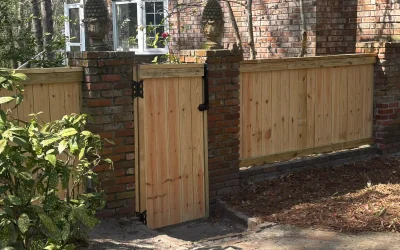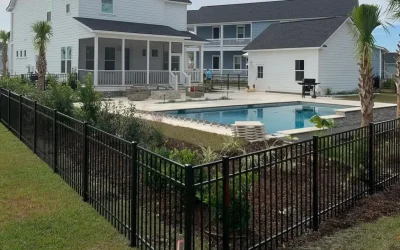


Choosing the right fence for your Charleston home requires understanding the options available and how each material aligns with your specific needs, budget, and property characteristics. At Fence Pros Charleston, we specialize in four primary fencing materials—aluminum, vinyl, wood, and chain link—each offering distinct advantages for different applications and preferences.
This comprehensive guide explores the characteristics, benefits, limitations, and ideal uses for each fencing type. Whether you’re securing a pool, creating privacy, containing pets, or defining property boundaries, understanding these material differences helps you make the best decision for your Mt Pleasant, Summerville, Johns Island, or greater Charleston area home.
The Four Main Residential Fencing Materials
Before diving into detailed comparisons, let’s establish a basic understanding of each material and what makes it distinct.
Aluminum Fencing
Aluminum fencing features vertical pickets connected by horizontal rails, creating an open, decorative appearance similar to wrought iron but without the rust and maintenance concerns. The material is lightweight yet strong, making it ideal for various residential applications where visibility and low maintenance are priorities.
Vinyl Fencing
Vinyl fencing consists of PVC (polyvinyl chloride) panels and posts that create solid or semi-private barriers. Available in various styles from privacy panels to picket designs, vinyl offers a clean, maintenance-free alternative to traditional wood fencing with excellent durability.
Wood Fencing
Wood fencing encompasses various styles built from natural lumber, typically pressure-treated pine, cedar, or cypress. From solid privacy fences to decorative picket styles, wood offers warm, classic aesthetics and extensive customization options. It remains popular despite requiring more maintenance than synthetic alternatives.
Chain Link Fencing
Chain link fencing consists of woven galvanized steel wire creating diamond-pattern mesh stretched between posts. Known for being economical and functional, chain link provides practical security and containment without decorative pretense. Black vinyl-coated options offer improved aesthetics over standard galvanized finishes.
Detailed Comparison: Material by Material
Let’s examine each material in detail, exploring the specific characteristics that make each one suitable for particular applications.
Aluminum Fencing: The Low-Maintenance Premium Option
Aluminum has become increasingly popular among Charleston homeowners who want attractive, durable fencing without ongoing maintenance burdens.
Aluminum Fencing Advantages
Zero Maintenance Required: The powder-coated finish eliminates any need for painting, staining, or sealing. Occasional hosing removes dirt, but even that’s optional. Over a 30-50 year lifespan, this represents significant savings in time and money compared to materials requiring regular maintenance.
Complete Rust Resistance: Unlike wrought iron or steel, aluminum doesn’t corrode. This makes it an ideal long-term fencing solution that maintains its structural integrity indefinitely.
Strength Without Weight: Despite being lightweight, modern aluminum fencing is engineered for exceptional strength. The material withstands impacts, wind loads, and normal use without bending or breaking. This strength makes aluminum suitable for pool enclosures, pet containment, and security applications.
Attractive Aesthetics: Aluminum fencing offers decorative appeal that enhances property values. The material works well in front yards where appearance matters, providing definition without blocking views. Black aluminum fencing is particularly popular for its classic, timeless look.
Long Lifespan: Properly installed aluminum fencing lasts 30-50+ years with virtually no maintenance. This longevity makes it a one-time investment rather than an ongoing expense.
HOA-Friendly: Many homeowners associations prefer or require aluminum fencing for its clean, consistent appearance and low-maintenance nature.
Aluminum Fencing Limitations
Higher Initial Cost: Aluminum costs more upfront than chain link and some wood options. However, the lifetime value often exceeds cheaper alternatives when you factor in maintenance costs and replacement.
Limited Privacy: The open design provides visibility rather than privacy. While this is advantageous for many applications, homeowners seeking complete privacy need to consider other materials or combine aluminum with landscaping.
Not Ideal for Sloped Terrain: Aluminum fencing works best on relatively level ground. Significant slopes require either stepped installations (creating a tiered appearance) or racked panels that follow the grade, both of which affect appearance and cost.
Best Uses for Aluminum Fencing
- Pool enclosures meeting safety codes while maintaining aesthetics
- Pet containment with visibility for supervision
- Front yard fencing that defines boundaries without blocking views
- Decorative property line fencing
- Areas where low maintenance is priority
- Neighborhoods with strict HOA aesthetic requirements
- Properties where rust prevention is important
Vinyl Fencing: The Privacy Champion
Vinyl has captured significant market share from traditional wood privacy fencing by offering similar aesthetics without the maintenance headaches.
Vinyl Fencing Advantages
Complete Privacy: Solid vinyl panels create effective privacy barriers that block visual access from neighbors and passersby. For homeowners who value seclusion, vinyl delivers better privacy than any other common fencing material.
Maintenance-Free Performance: Like aluminum, vinyl requires no painting, staining, or sealing. The color is part of the material itself, not a surface coating that can chip or peel. Cleaning with soap and water maintains appearance indefinitely.
Superior Durability: Quality vinyl fencing maintains its structural integrity without warping, cracking, or degrading. Unlike wood that absorbs moisture and can rot, vinyl sheds water without damage.
Clean, Uniform Appearance: Vinyl maintains consistent appearance across the entire installation. There’s no wood grain variation, knots, or natural imperfections to create visual inconsistency.
Multiple Style Options: While privacy panels are most common, vinyl is available in picket styles, semi-privacy designs, and various decorative configurations. Color choices include white, tan, and other options to complement home exteriors.
Pest Resistance: Insects have no interest in vinyl, eliminating concerns about termites, carpenter ants, or other wood-boring pests that can damage wood fencing.
Vinyl Fencing Limitations
Higher Cost Than Wood: Quality vinyl fencing typically costs more than wood initially, though lifetime costs may be lower when maintenance is factored in.
Limited Repair Options: Damaged vinyl panels typically require replacement rather than repair. While the material is durable, impacts from lawn equipment or fallen branches can crack panels that then need complete replacement.
Expansion and Contraction: Vinyl expands and contracts with temperature changes more than other materials. Quality installations account for this with appropriate spacing and hardware, but poor installation can lead to buckling or gaps.
Not Suitable for Some Applications: The solid design doesn’t work well for applications requiring visibility, such as pool fencing or situations where sightlines matter.
Best Uses for Vinyl Fencing
- Backyard privacy fencing creating secluded outdoor spaces
- Property line fencing where privacy is priority
- Areas where minimal maintenance is essential
- Locations where wood fencing would rot quickly
- Properties where pest resistance matters
- Neighborhoods preferring clean, uniform appearances
Wood Fencing: The Classic Choice
Despite the popularity of synthetic alternatives, wood fencing remains a favorite for homeowners who appreciate its natural warmth and traditional appeal.
Wood Fencing Advantages
Natural Beauty: Wood’s organic appearance and texture create warmth that synthetic materials can’t fully replicate. The natural grain patterns and color variations add character to properties.
Extensive Customization: Wood can be cut, shaped, and configured in virtually unlimited ways. Custom heights, decorative tops, and unique designs are all possible with wood in ways they aren’t with pre-manufactured systems.
Complete Privacy or Openness: Wood works for solid privacy barriers or open picket designs, providing flexibility for various needs. The material adapts to different aesthetic preferences and functional requirements.
Initial Cost-Effectiveness: Basic wood fencing often costs less initially than aluminum or vinyl, making it accessible for budget-conscious homeowners. However, lifetime costs may be higher due to maintenance needs.
Repairability: Damaged wood sections can often be repaired or replaced individually without affecting the entire fence. This modularity makes repairs straightforward and cost-effective.
Traditional Aesthetic: For historic homes or neighborhoods where traditional materials are preferred or required, wood provides authentic appearance that honors architectural heritage.
Wood Fencing Limitations
Significant Maintenance Required: Wood fencing needs regular staining or sealing (typically every 2-3 years) to maintain appearance and prevent rot. This maintenance represents ongoing time and expense throughout the fence’s life.
Susceptibility to Moisture Damage: Moisture causes wood to swell, warp, and eventually rot. Wood requires vigilant maintenance to preserve fence integrity and prevent deterioration.
Pest Vulnerability: Termites, carpenter ants, and other wood-boring insects threaten wood fencing, particularly in the Lowcountry where these pests are abundant. Regular treatments or naturally resistant wood types (like cedar or cypress) help but don’t eliminate the concern.
Shorter Lifespan: Even with excellent maintenance, wood fencing typically needs replacement after 15-20 years. Poor maintenance can shorten this to 10 years or less.
Inconsistent Appearance Over Time: As wood ages and weathers, different boards age differently based on sun exposure, moisture contact, and other factors. Maintaining uniform appearance requires consistent maintenance efforts.
Best Uses for Wood Fencing
- Privacy fencing where natural appearance is valued
- Properties where traditional aesthetics are important
- Custom applications requiring unique designs
- Situations where initial budget is primary concern
- Historic homes or neighborhoods preferring traditional materials
- Temporary fencing needs where longevity isn’t crucial
Chain Link Fencing: The Practical Solution
Chain link may lack decorative appeal, but its practical advantages make it the right choice for specific applications.
Chain Link Fencing Advantages
Lowest Initial Cost: Chain link typically costs less than any other fencing option, making it the most budget-friendly choice for enclosing large areas or situations where budget is the primary constraint.
Maximum Durability: Galvanized steel chain link withstands impacts and abuse that would damage other materials. The material is nearly indestructible under normal use conditions.
Low Maintenance: Beyond occasional rust treatment for hardware and posts, chain link requires minimal maintenance. The fencing itself needs no care beyond occasional cleaning if desired.
Security Without Blocking Views: The open mesh provides security and containment while maintaining complete visibility. This makes chain link ideal for applications where seeing through the fence matters.
Quick Installation: Chain link installs faster than most other fencing types, minimizing labor costs and project duration.
Practical Pet Containment: For purely functional pet containment where aesthetics are secondary, chain link provides effective boundaries at minimal cost.
Longevity: Galvanized chain link can last 20+ years with minimal maintenance, providing excellent value over its lifetime.
Chain Link Fencing Limitations
Industrial Appearance: Chain link’s utilitarian look doesn’t enhance property aesthetics. Most homeowners view it as purely functional rather than attractive fencing.
Limited Privacy: The open mesh provides no privacy whatsoever. Slats can be woven through the mesh for partial privacy, but this adds cost and maintenance concerns.
Rust Potential: Standard galvanized chain link eventually shows rust, particularly at cut ends and hardware connections. While the main mesh resists rust well, posts and fittings require occasional attention.
HOA Restrictions: Many homeowners associations prohibit or restrict chain link fencing due to aesthetic concerns. Check regulations before committing to chain link in deed-restricted communities.
Dogs Can Damage It: Large, determined dogs can sometimes push chain link fabric out at the bottom or deform the mesh. While the fencing remains functional, it may look damaged.
Best Uses for Chain Link Fencing
- Large areas where budget is primary concern
- Temporary construction or project sites
- Backyards where appearance is secondary to function
- Dog runs and pet containment areas
- Commercial or industrial applications
- Situations requiring maximum visibility
- Budget-conscious security fencing
Side-by-Side Comparison: Making Your Decision
Understanding how these materials stack up across key decision factors helps you identify the best choice for your specific needs.
Maintenance Requirements
Lowest Maintenance: Aluminum and vinyl (tie) – No painting, staining, or sealing ever required. Occasional cleaning maintains appearance.
Moderate Maintenance: Chain link – Occasional rust treatment for hardware; minimal care otherwise.
Highest Maintenance: Wood – Regular staining/sealing every 2-3 years; ongoing inspection and repair of damaged boards.
Initial Cost (Typical Residential Installation)
Most Affordable: Chain link – Lowest upfront investment.
Mid-Range: Wood (basic styles) – Accessible initial pricing.
Premium: Aluminum and vinyl – Higher upfront costs offset by lower lifetime expenses.
Privacy Capabilities
Complete Privacy: Vinyl and wood (solid styles) – Block visual access entirely.
Partial Privacy: Wood (semi-privacy styles) – Provide some visual obstruction with limited openings.
No Privacy: Aluminum and chain link – Open designs maintain complete visibility.
Longevity and Lifespan
Longest Lasting: Aluminum (30-50+ years with no maintenance).
Long Lasting: Vinyl (25-30+ years); Chain link (20+ years).
Shorter Lifespan: Wood (15-20 years with good maintenance, less without).
Aesthetic Appeal
Most Attractive: Aluminum and wood (tie) – Aluminum offers classic elegance; wood provides natural warmth.
Clean and Simple: Vinyl – Uniform, maintenance-free appearance.
Purely Functional: Chain link – Utilitarian rather than decorative.
Best for Pet Containment
Aluminum leads for pet containment combining strength, visibility, maintenance-free performance, and attractive appearance. Learn more about aluminum fencing for pets.
Chain link offers budget-friendly functional pet containment where aesthetics are secondary.
Best for Privacy
Vinyl provides the most complete, maintenance-free privacy.
Wood offers natural-looking privacy with more maintenance requirements.
Best for Pool Enclosures
Aluminum excels for pool fencing, meeting code requirements while maintaining aesthetics and resisting chlorine damage without rust or rot concerns.
Best for Property Value
Aluminum enhances property values most through its attractive appearance, obvious quality, and zero-maintenance nature that appeals to buyers.
Vinyl and wood maintain value well when properly maintained.
Chain link rarely adds property value due to aesthetic limitations.
Regional Considerations for Charleston Area Homes
Charleston’s specific environmental and cultural characteristics affect how different fencing materials perform and are perceived.
Material Longevity
Different materials have varying lifespans and maintenance requirements. Aluminum and vinyl maintain their integrity indefinitely with virtually no maintenance. Wood requires vigilant maintenance to prevent rot and deterioration. Chain link provides excellent durability with minimal maintenance needs.
HOA Requirements
Many Charleston-area HOAs have specific fencing requirements or restrictions. Aluminum frequently meets or exceeds HOA standards due to its clean appearance. Vinyl is often acceptable, particularly in newer developments. Wood may be restricted to specific styles or require regular maintenance standards. Chain link is frequently prohibited in residential deed-restricted communities.
Historic District Considerations
Charleston’s historic districts often have preservation guidelines affecting fencing choices. Wood fencing may be required in some historic areas to maintain period authenticity. Aluminum can sometimes substitute for traditional wrought iron if the design is appropriate. Consult with your local preservation board before proceeding with fencing in historic districts.
Structural Considerations
Different fence designs handle structural stress differently. Aluminum’s combination of strength and open design provides excellent long-term stability. Chain link also offers structural flexibility. Solid vinyl and wood panels require proper installation and maintenance to maintain structural integrity.
Making Your Material Selection
Choosing the right fencing material requires balancing multiple factors against your priorities and constraints.
Prioritize Your Requirements
Start by ranking what matters most:
- If privacy is paramount: Choose vinyl or solid wood styles.
- If low maintenance matters most: Select aluminum or vinyl.
- If budget is primary concern: Consider chain link or basic wood.
- If aesthetics are crucial: Choose aluminum or wood.
- If pet containment is the goal: Aluminum offers the best combination of features.
Consider Long-Term Costs
Look beyond initial price to lifetime costs. Wood’s lower upfront cost is offset by maintenance expenses and earlier replacement. Aluminum’s higher initial investment is amortized over 40+ maintenance-free years. Calculate total cost of ownership, not just installation price.
Account for Your Property’s Characteristics
Property features influence material selection. Slopes and grades favor materials that adapt well (wood is most flexible; aluminum requires stepping or racking). Large areas may require budget materials like chain link. Small spaces justify premium materials like aluminum since total cost remains manageable.
Match Your Home’s Style
Fencing should complement your home’s architecture. Traditional homes often pair well with wood or aluminum. Contemporary designs might favor clean-lined vinyl or aluminum. Consider how fencing integrates with your property’s overall aesthetic.
Think About Future Needs
Consider long-term plans. If you’re staying in your home for decades, invest in durable materials like aluminum or vinyl. If this is a shorter-term home, basic wood or chain link might suffice. Think about how your needs might evolve—pets you might acquire, pool additions, or changing privacy requirements.
Professional Installation Makes the Difference
Regardless of which material you choose, professional installation ensures optimal performance and longevity. At Fence Pros Charleston, our experienced crews have installed thousands of fences throughout the Lowcountry using all four materials. We understand each material’s specific installation requirements and execute projects with the attention to detail that ensures lasting satisfaction.
When you work with Fence Pros Charleston, you benefit from our commitment to quality and service. We follow our four simple rules: answer the phone, show up on time, have good prices, and take care of people. These aren’t just words—they’re the standards we maintain daily.
We provide detailed written estimates with no hidden fees, source quality materials from trusted manufacturers, and stand behind our work long after installation is complete. Whether you choose aluminum, vinyl, wood, or chain link fencing, you can trust that your installation will be executed professionally and backed by our reputation for excellence.
Ready to Choose Your Fence?
If you’re ready to install new fencing or replace existing fencing, contact Fence Pros Charleston for a free consultation and written estimate. We’ll visit your property, discuss your needs and preferences, assess your site’s specific characteristics, and recommend the material and design that best meets your requirements and budget.
We serve homeowners throughout Charleston, Mt Pleasant, Summerville, Johns Island, James Island, Sullivan’s Island, Bluffton, Beaufort, Hollywood, Ravenel, Wando, Goose Creek, and the surrounding Lowcountry. Our service area coverage ensures we understand local conditions, HOA requirements, and building codes throughout the region.
Call (843) 986-6471 or visit our contact page to schedule your free estimate. Let our decades of experience guide you to the perfect fencing solution for your Charleston home.
For additional information about choosing the right fence contractor, explore our contractor selection guide. Let Fence Pros Charleston help you transform your property with quality fencing that delivers lasting value and satisfaction.
Frequently Asked Questions About Fence Material Choices
Which fence material requires the least maintenance?
Aluminum and vinyl require the least maintenance. Both materials need only occasional cleaning with water and never require painting, staining, or sealing. Over a fence’s lifetime, this represents significant savings in time and money compared to wood or chain link.
What’s the most cost-effective fencing material?
Chain link has the lowest initial cost, but aluminum often provides better lifetime value when you factor in maintenance costs and longevity. The most cost-effective choice depends on whether you prioritize initial investment or total cost of ownership over the fence’s lifespan.
Which material requires the least maintenance?
Aluminum and vinyl require the least maintenance. Aluminum won’t rust and maintains its appearance indefinitely, while vinyl won’t rot from moisture exposure. Wood requires vigilant maintenance to prevent rot, while chain link hardware and posts may require occasional attention.
Can I get privacy with aluminum fencing?
Aluminum fencing’s open design doesn’t provide complete privacy, though it can be combined with landscaping for privacy in specific areas. For complete privacy, vinyl or solid wood fencing are better choices.
How long does each type of fencing last?
Aluminum lasts 30-50+ years with no maintenance. Vinyl lasts 25-30+ years. Chain link lasts 20+ years. Wood lasts 15-20 years with good maintenance, less without regular care. Actual longevity depends on material quality, installation quality, and maintenance.
Which fence material is best for pet containment?
Aluminum offers the best combination of strength, durability, visibility, and low maintenance for pet containment. Chain link provides functional pet containment at lower cost but with less aesthetic appeal. Solid materials like vinyl and wood work for pets but eliminate the visibility advantages of aluminum.
Do HOAs restrict certain fencing materials?
Many HOAs restrict or prohibit chain link fencing due to aesthetic concerns. Most approve aluminum and vinyl fencing. Wood may be allowed with restrictions on style or maintenance requirements. Check your HOA guidelines before selecting materials.
Which fence material adds the most property value?
Aluminum typically adds the most property value due to its attractive appearance, obvious quality, and maintenance-free nature that appeals to buyers. Well-maintained vinyl and wood also maintain or enhance property values. Chain link rarely adds value due to its utilitarian appearance.