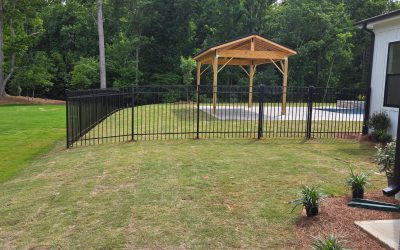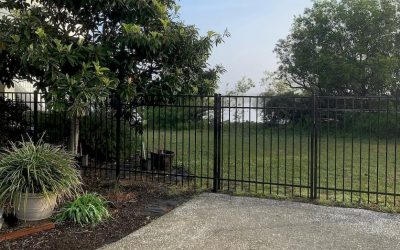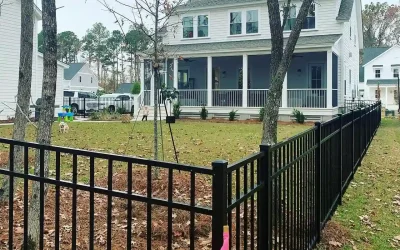

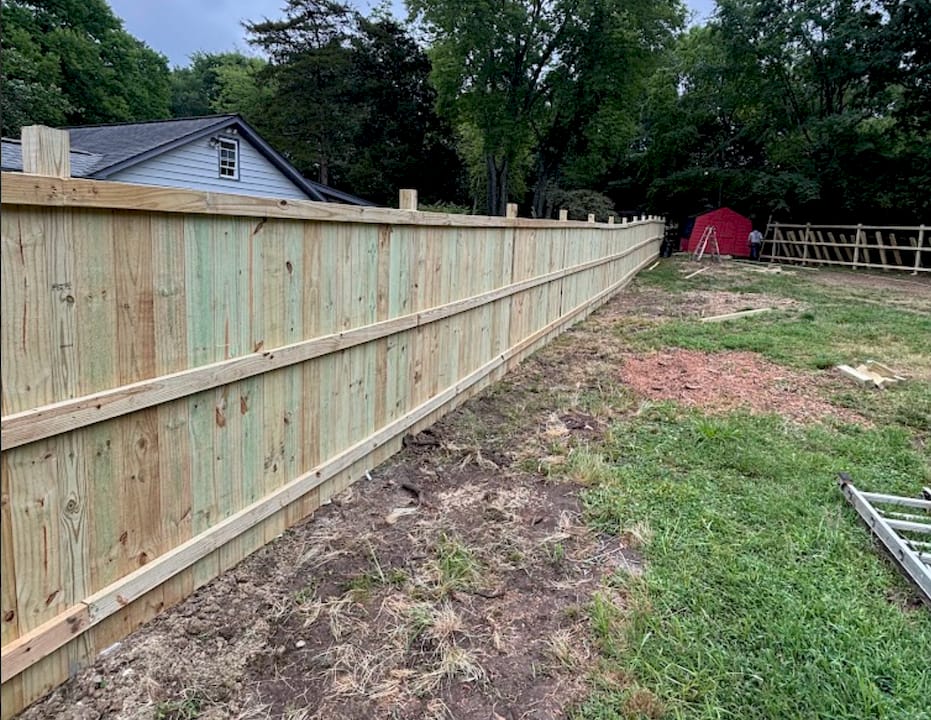
Backyard fencing deters trespassers by creating a visible physical barrier that raises the effort, risk, and time required to enter your property without permission. This is the core principle behind what criminologists call “target hardening,” a strategy recognized by the American Fence Association and supported by residential security research. A fence signals to opportunistic intruders that your property is monitored, defended, and not worth the attempt. Nearly 70% of homeowners install backyard fences primarily for privacy, and that same barrier directly reduces unauthorized access. This guide explains exactly how fencing works as a deterrent, from physical design to legal notice to layered security integration.
Why backyard fencing deters trespassers: the physical barrier effect
The most direct reason backyard fencing stops intruders is simple physics. A fence forces anyone attempting entry to slow down, make noise, and expose themselves. That combination is the enemy of the opportunistic trespasser, who depends on speed and invisibility.
Fence height is the first variable that matters. A standard 4-foot fence creates a psychological boundary but offers minimal physical resistance. A 6-foot privacy fence requires a deliberate climbing effort. An 8-foot fence with no footholds is a serious obstacle that most casual intruders will not attempt. Visible physical boundaries drastically reduce crime by increasing effort, noise, and exposure, causing intruders to choose unfenced targets instead. That displacement effect is well documented: homes in Plano, TX that installed wood and wrought iron fences saw measurable drops in package thefts compared to unfenced neighbors.
Material and design choices amplify the deterrent. Smooth surfaces with no horizontal rails give climbers nothing to grip. Spiked finials, curved pickets, and anti-climb toppers add a visible cost to any breach attempt. Solid wood privacy panels remove the intruder’s ability to assess what is inside before committing to entry. Intruders cannot assess target value without visual cues, so a solid fence eliminates the reconnaissance step entirely.
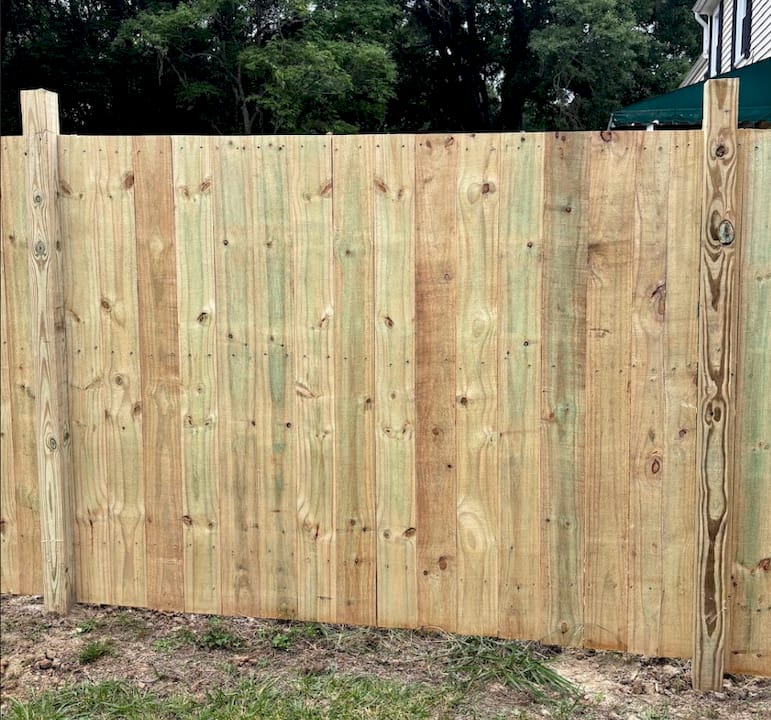
Here is how common fence types compare on security performance:
| Fence type | Height range | Climb difficulty | Visual privacy | Security rating |
|---|---|---|---|---|
| Wood privacy | 6 to 8 ft | Moderate to high | Full | High |
| Wrought iron / aluminum | 4 to 8 ft | High (no footholds) | Low to none | High (visibility deters) |
| Chain link with privacy slats | 4 to 6 ft | Low to moderate | Partial | Moderate |
| Vinyl privacy | 6 to 8 ft | Moderate | Full | High |
| Chain link (open) | 4 to 6 ft | Low | None | Low |
Pro Tip: Check your local municipality codes and HOA regulations before selecting fence height or adding toppers like spikes. Charleston, SC has specific height limits by zone, and non-compliant fences can require costly removal.
How fencing communicates legal notice and ownership
A fence does more than block entry. It communicates a legal and psychological message: this space is controlled, owned, and defended. That message reaches two audiences simultaneously. The potential intruder reads it as risk. The legal system reads it as notice.
Residential trespass involving fenced backyards is treated more seriously legally than trespass on open land, with fencing serving as clear private property notice. This distinction matters in prosecution. An intruder who crosses an open yard can argue they were unaware of the boundary. An intruder who climbs or opens a gate has no such defense.
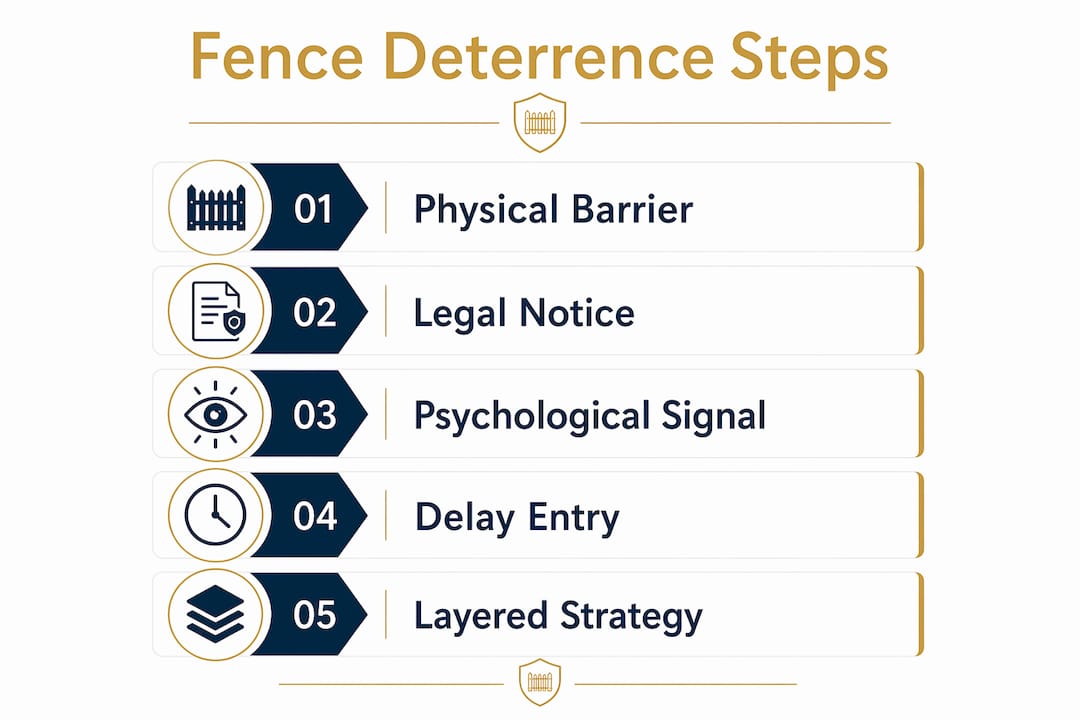
Combining fencing with visible signage strengthens your legal position further. Fencing combined with “No Trespassing” signage is recognized by courts as clear legal notice, strengthening consequences for intruders. Local laws vary on sign requirements, but the fence itself often satisfies the notice standard on its own.
Several practices reinforce the legal and psychological deterrent effect:
-
Post “No Trespassing” signs at every gate and at regular intervals along the fence line
-
Keep a written log of any incidents, including dates, descriptions, and photos
-
Document fence installation with receipts and photos for insurance and legal records
-
Report repeated trespass attempts to local law enforcement to establish a pattern
-
Maintain the fence in good condition, since a damaged fence weakens the legal notice argument
A well-maintained, high-quality fence signals a monitored, security-conscious property, deterring criminals before an attempt is made. Facility management experts describe this as the psychological deterrent of strong perimeter fencing. A sagging, rotted fence sends the opposite signal: no one is paying attention here.
Pro Tip: Photograph your fence line twice a year and store the images with your homeowner’s insurance documents. If a trespass incident leads to a legal dispute, dated photographic evidence of a maintained, clearly marked boundary is a significant asset.
How does fencing fit into a layered home security strategy?
Fencing alone does not stop a determined intruder. What it does is buy time, and time is the decisive variable in home security. Delaying intruders through sturdy fencing increases the time available for alarms or response systems to act. Security experts call this “delay time,” and it is often what separates a thwarted break-in from a completed one.
The practical integration of fencing with other security fence features follows a logical sequence:
-
Perimeter fencing establishes the outer boundary and forces any intruder into a defined entry point, typically the gate.
-
Motion-activated lighting mounted on or near the fence line eliminates the cover of darkness and triggers visible alerts.
-
Surveillance cameras positioned at fence corners and gate entry points capture footage of anyone who approaches or attempts entry.
-
Alarm systems connected to gate sensors or perimeter trip wires activate when the fence boundary is breached.
-
Access control hardware on gates, including self-closing hinges, keyed deadbolts, and electronic locks, closes the most common vulnerability in any fence system.
A fence is only as secure as its gate. The weakest access points are often poorly latched or unlocked gates, and upgrading to self-closing, keyed latches greatly improves overall perimeter security. This is the single most overlooked element in residential fence security. Homeowners invest in solid 8-foot panels and then leave a gate with a simple thumb latch.
Landscaping adds a complementary layer. Dense, thorny shrubs like hawthorn or pyracantha planted along the fence interior make climbing painful and slow. Gravel paths along the fence perimeter create noise when walked on. Neither replaces a fence, but both raise the cost of intrusion. Quality fencing supports electronic security systems by providing mounting points and extending surveillance domains, making the fence a structural backbone for the entire security setup.
Does fencing stop intruders when it degrades over time?
A fence that was installed five years ago and never inspected may no longer function as a deterrent. Degradation is the hidden threat to long-term security. Rotted wood posts, cracked vinyl panels, and bent aluminum pickets all create exploitable gaps that an intruder can identify faster than most homeowners.
Physical security experts emphasize that intruders choose easier targets, and well-maintained fencing raises perceived risk and effort, making homes less attractive. The inverse is equally true: a visibly deteriorating fence signals low maintenance and low vigilance, both of which attract opportunistic trespassers.
Maintenance and upgrade practices that sustain deterrence effectiveness include:
-
Inspect the full fence line twice a year, after winter and after hurricane season in coastal areas like Charleston
-
Check every post at ground level for rot, rust, or concrete heave, since post failure is the most common structural weakness
-
Tighten or replace gate hardware annually, including hinges, latches, and lock cylinders
-
Repaint or re-stain wood fences every two to three years to prevent moisture infiltration
-
Replace individual damaged panels immediately rather than waiting for a full section to fail
Upgrading existing fencing is often more cost-effective than full replacement. Adding anti-climb toppers to an existing 6-foot wood fence, installing a self-latching gate lock, or mounting a motion-sensor light on a fence post are targeted improvements that restore deterrence without a full reinstallation. When panels are warped, posts are leaning, or the gate no longer closes flush, professional assessment is the right call. Fence installation matters for long-term security, and a compromised fence can be worse than no fence at all if it creates a false sense of protection.
Pro Tip: After any major storm, walk your entire fence perimeter before assuming it is intact. Wind and debris damage is often subtle, appearing as loosened posts or shifted panels that look fine from a distance but fail under pressure.
Key takeaways
Backyard fencing deters trespassers by combining physical obstruction, psychological signaling, legal notice, and delay time into a single perimeter layer that makes your property a harder, riskier target than an unfenced alternative.
| Point | Details |
|---|---|
| Physical barrier effect | Taller fences with smooth surfaces and anti-climb features force intruders to slow down and expose themselves. |
| Legal notice function | Fenced backyards receive stronger trespass enforcement; adding signage strengthens your legal position further. |
| Gate security is critical | Self-closing, keyed gates are the most important upgrade to prevent perimeter bypass. |
| Layered security multiplies deterrence | Fencing combined with cameras, lighting, and alarms creates delay time that stops most intrusion attempts. |
| Maintenance sustains protection | A degraded fence signals low vigilance and attracts opportunistic trespassers; regular inspection is non-negotiable. |
What I’ve learned from watching homeowners get fencing wrong
Most homeowners treat a fence installation as a one-time decision. They pick a style, get it installed, and consider the security problem solved. That mindset is where the vulnerability starts.
The most common mistake I see is prioritizing aesthetics over gate hardware. A homeowner will spend significant money on a beautiful 8-foot cedar privacy fence and then install a basic spring latch on the gate because it came with the kit. That gate is the first thing a determined trespasser tests. It takes about three seconds to defeat a standard spring latch from the outside.
The second mistake is treating the fence as a standalone solution. Fencing works best when it forces an intruder into a predictable path, typically the gate, where cameras and lighting are concentrated. A fence with no camera coverage at the gate is a barrier with a blind spot. That blind spot is where incidents happen.
What actually works is the combination of a well-designed fence, a properly secured gate, and at least one camera with a clear sightline to the entry point. Add motion-activated lighting and you have covered the three variables that matter most to an opportunistic intruder: physical effort, exposure risk, and time. Remove any one of those three and the deterrent effect weakens considerably.
My honest recommendation is to consult a local specialist who understands both the security requirements and the local code environment. In Charleston, that means knowing HOA restrictions, wind load requirements for coastal properties, and pool safety compliance rules. A fence that violates local code is a liability, not an asset.
— SEO
Secure your backyard with professional fence installation

If you are ready to turn your backyard into a genuinely secure space, Fenceproscharleston installs security-focused fencing designed specifically for Charleston area homeowners. Every installation is handled by trained, background-checked professionals with no subcontractors involved, which means consistent quality on every project. Fenceproscharleston also specializes in privacy fence options that combine deterrence with curb appeal, and offers gate hardware upgrades that close the most common security gap in residential fencing. With over 300 five-star reviews and a transparent quoting process, getting a reliable, code-compliant fence has never been more straightforward. Contact Fenceproscharleston today for a free quote.
FAQ
Why does backyard fencing deter trespassers more than open yards?
A fence forces any intruder to slow down, make noise, and expose themselves during entry, all of which increase the risk of detection. Opportunistic trespassers consistently choose unfenced properties because they offer faster, quieter access.
What fence height is most effective for security?
A 6-foot fence provides strong deterrence for most residential properties, while an 8-foot fence with no horizontal rails or footholds is considered high-security. Height alone matters less than the combination of height, smooth surfaces, and secure gate hardware.
Does fencing have legal benefits beyond physical security?
Yes. Fenced backyards receive stronger trespass enforcement than open land, and courts recognize a maintained fence as clear legal notice of private property. Adding “No Trespassing” signs to a fenced perimeter strengthens prosecution of trespassers further.
What is the weakest point in a residential fence system?
The gate is the most common vulnerability. Poorly latched or unlocked gates compromise the entire perimeter, and upgrading to self-closing hinges with keyed deadbolts is the single highest-impact security improvement most homeowners can make.
How often should a security fence be inspected?
Inspect your fence line at least twice a year, and after any major storm. Post rot, panel damage, and gate hardware failure are the most common issues, and addressing them promptly prevents intruders from identifying and exploiting weak points.