
If you’ve been searching for a fence that gives your home that classic wrought-iron look: tall, black, ornamental pickets with real curb appeal, you’ve probably run into the same conversation Charleston homeowners have every day. Wrought iron looks incredible, but it comes with a maintenance commitment. Aluminum fencing was built to solve that exact trade-off. It’s designed to deliver the same elegant, open, ornamental silhouette as traditional wrought iron, without the rust, the weight, or the years of upkeep that come with the real thing. This guide breaks down how the two compare, so you can decide with your eyes open before you request an estimate.
What Wrought Iron Gets Right (And Where It Costs You)
The Look Everyone Recognizes
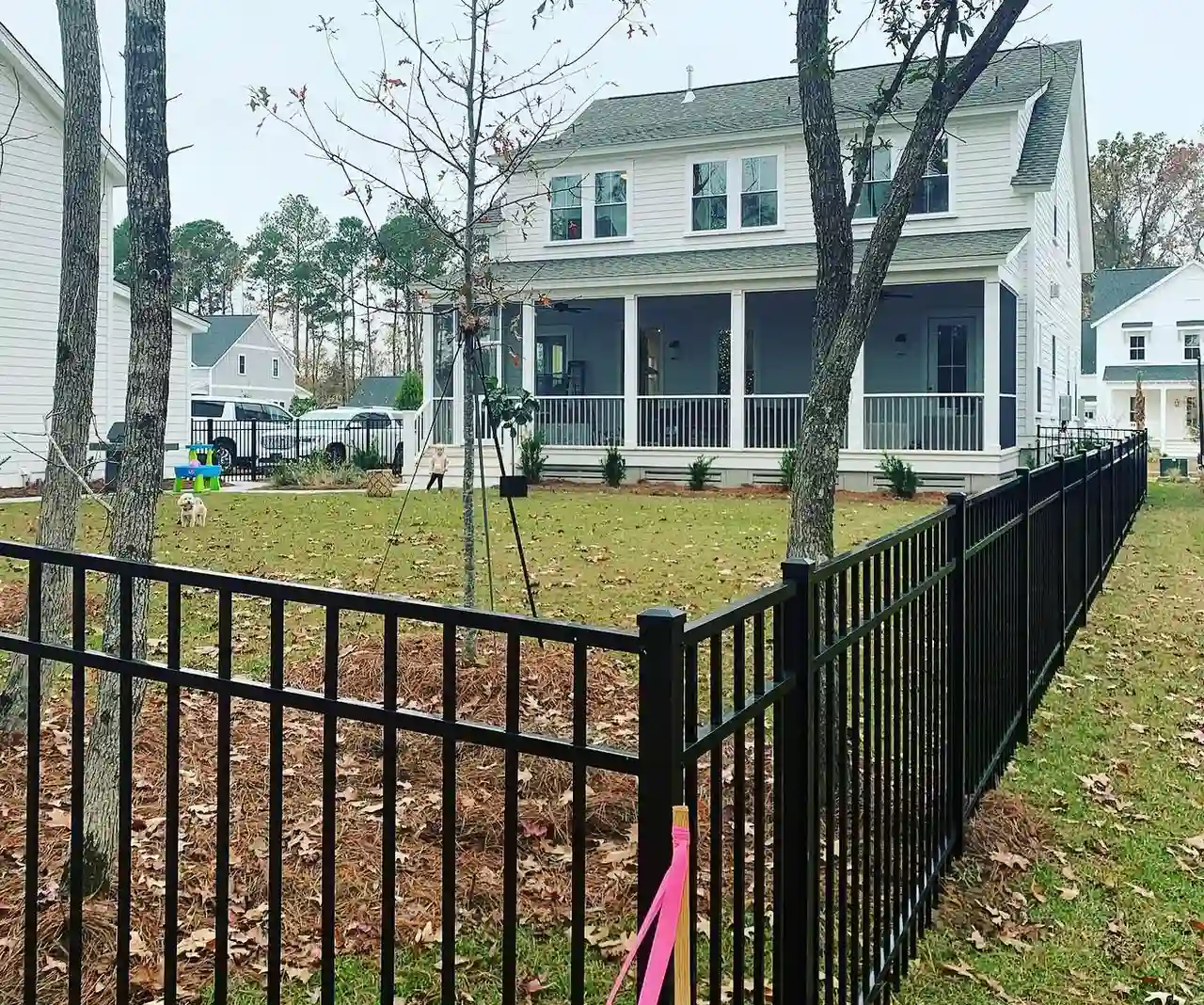
There’s a reason wrought iron set the standard. Its tall, slender pickets, decorative finials, and deep black finish read as timeless and substantial: the kind of fence that makes a front yard look established. It’s the benchmark every “black metal fence” style gets measured against, aluminum included.
The Trade-Offs Nobody Mentions Up Front
Here’s what that look actually costs you over time. Traditional wrought iron is dense, heavy ironwork: labor-intensive to fabricate, demanding to install, and expensive as a result. Because it contains iron, it rusts. Left unprotected, the material can streak, pit, and eventually need to be sanded back and recoated just to keep it looking presentable. That’s an ongoing project, not a one-time purchase.
How Aluminum Delivers the Same Look, Minus the Drawbacks
Rust Simply Isn’t a Factor
Aluminum doesn’t rust, full stop. It’s a naturally corrosion-resistant metal, so there’s no iron-oxide process to worry about, no touch-up paint, no spots forming where water sits on a rail or a hinge. The black powder-coated finish stays black.
Lighter Material, Cleaner Installation
Because aluminum weighs a fraction of what solid wrought iron does, it’s easier to fabricate into precise ornamental panels and easier to install cleanly along the line of your yard, including where a full fence run includes a gate. You get the same finished look with a system that’s simpler to build correctly the first time.
Maintenance That Fits Real Life
With aluminum, there’s no seasonal sanding, no repainting schedule, no rust spots to chase down. An occasional rinse is about all it asks for. That’s the whole pitch: the look you wanted, without turning your fence into a recurring project.
Aluminum vs. Wrought Iron, Side by Side
| Feature | Wrought Iron | Aluminum |
|---|---|---|
| Look | Classic, ornamental, black | Classic, ornamental, black |
| Rust resistance | Rusts without upkeep | Naturally rust-proof |
| Weight | Heavy traditional ironwork | Significantly lighter |
| Ongoing maintenance | Sanding, repainting | Occasional rinse |
| Typical cost | Higher material and labor cost | Generally more affordable |
What About Cost?
Wrought iron fence cost runs higher than most homeowners expect, largely because of the material and specialized labor involved in traditional ironwork. Aluminum is engineered to achieve a similar ornamental profile at a lower material cost, with an installation process that typically takes less labor time. If you’re weighing wrought iron vs. aluminum fence pricing, aluminum is very often the more budget-friendly way to land the same look. Because every yard, layout, and style choice is different, the most accurate way to see where your project lands is a free on-site estimate, not a generic price list.
Styles That Capture the Wrought-Iron Look
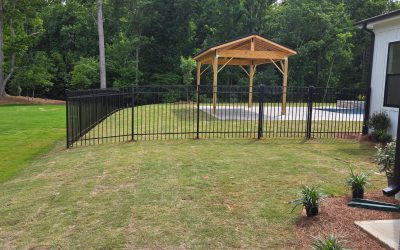
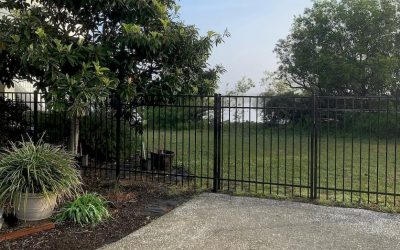
Not all aluminum fencing is styled the same way, and if the wrought-iron look is what you’re after, style selection matters. Charleston homeowners have several ornamental profiles to choose from, all designed to echo that traditional silhouette. For a full look at what’s available, our Black Aluminum Fence Styles page walks through the ornamental and classic picket options built to read as high-end and established: the same visual goal as wrought iron, in a system built for Charleston yards. You can also see the look on real properties in Mount Pleasant and on Daniel Island.
Is Aluminum the Right Call for Your Charleston Home?
If what drew you to wrought iron is the look, not the material itself, aluminum is almost always the smarter path. You get the same tall, ornamental, black-metal profile without signing up for a rust-and-repaint cycle down the road. For a broader look at how aluminum fencing performs across Charleston homes, our aluminum fencing page covers the full picture, including how it stacks up against other materials. See our side-by-side looks at wood fencing and vinyl fencing as well. You can browse more comparisons and project stories on our blog.
Get Your Free Aluminum Fence Estimate
Ready to see what the wrought-iron look costs in aluminum for your specific yard? Request a free estimate and we’ll walk your property, talk through style options, and give you real numbers, not a generic price list.