
Privacy fence height options determine how effectively your fence blocks unwanted views, satisfies local building codes, and fits your property’s visual character. Standard residential privacy fences range from 3 to 8 feet tall, with 6 feet recognized as the industry standard for ground-level seclusion. Whether you’re replacing an aging wood fence in Charleston or installing a new vinyl barrier, the height you choose affects your permit requirements, material costs, and the actual privacy you’ll experience in your backyard. This guide covers every major height option, the regulations that govern them, and how to match the right height to your specific yard.
1. Common privacy fence height options and what each delivers
The four heights you’ll encounter most often are 3, 4, 6, and 8 feet. Each serves a different purpose, and choosing the wrong one is an expensive mistake.
3 to 4 feet: These shorter fences define property lines and add a decorative boundary, but they deliver limited privacy. A 4-foot fence offers seated privacy only. Anyone standing in your yard or a neighbor’s yard can see directly over it. This height works for front yards where local codes restrict taller structures, or for framing a garden bed without blocking sightlines.
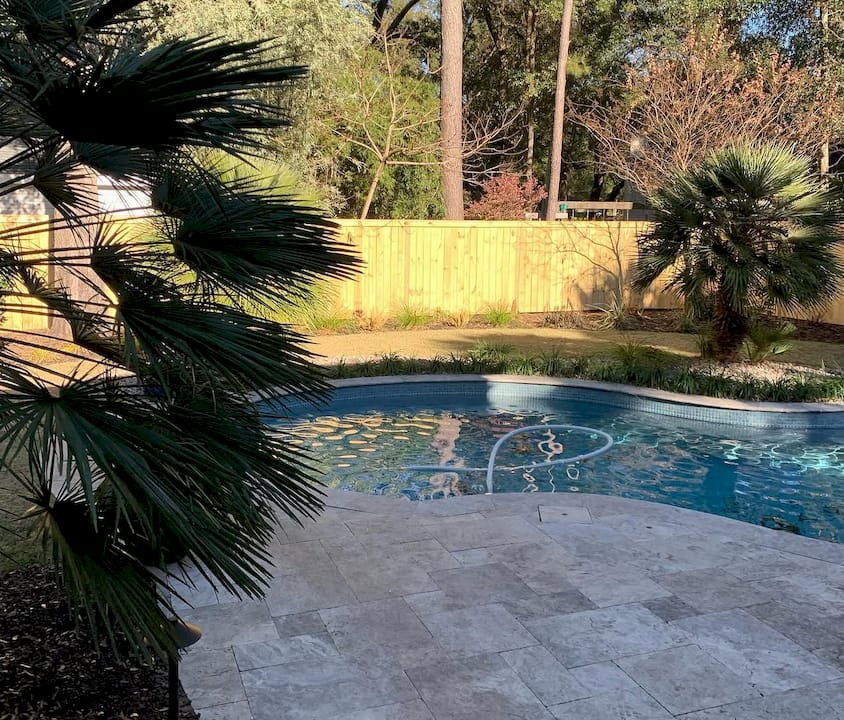
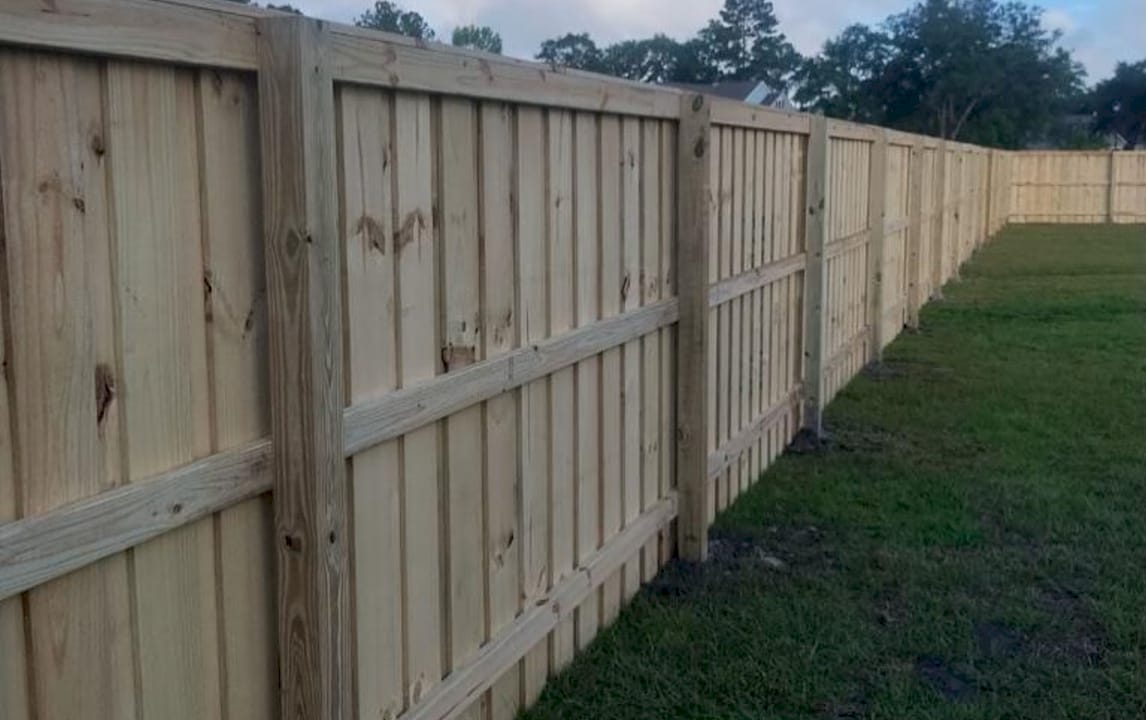
6 feet: Six feet is the standard for blocking standing views. A person of average height cannot see over a 6-foot fence from ground level, which makes it the most popular choice for backyard installations across the country. Most U.S. zoning codes allow 6-foot fences in backyards and side yards without a permit, making this height the practical sweet spot for most homeowners.
8 feet: An 8-foot fence blocks elevated sightlines from raised decks or sloped lots, and it creates a strong visual barrier. The trade-off is cost, structural complexity, and the likelihood of triggering a permit requirement. An 8-foot fence can also feel imposing to neighbors and may conflict with HOA rules. It’s the right call in specific situations, but not a default upgrade.
- 3 feet: Property definition, decorative use, front yard compliance
- 4 feet: Seated privacy, pet containment, low-profile boundary
- 6 feet: Full standing privacy, standard backyard use, typically permit-free
- 8 feet: Elevated privacy, steep lots, high-security needs
Pro Tip: If you’re on the fence between 6 and 8 feet, measure the eye level of your most intrusive sightline before committing. A neighbor’s second-floor deck may require 8 feet, but a ground-level neighbor rarely does.
Privacy fence installation costs range from $15 to $35 per linear foot for wood and $20 to $40 per linear foot for vinyl installed. Moving from 6 to 8 feet adds material, labor, and often engineering costs that can push a mid-size project significantly over budget.
2. How local building codes and HOA regulations affect your height choice
Fence height is not purely a personal decision. Local building codes and HOA rules set hard limits that override your preferences, and violating them means tearing down what you’ve built.
- Front yard limits. Most municipalities cap front yard fences at 3 to 4 feet. The reasoning is visibility: taller front yard fences obstruct driver sightlines at intersections and create safety hazards. Yard location is the strongest driver of legal height limits, often more than your intended privacy goals.
- Side and rear yard limits. Six feet is the standard allowance for side and rear yards in most U.S. jurisdictions, typically without a permit. Anything above 6 feet usually triggers a permit application, and in some cities the threshold is lower.
- Permit requirements for taller fences. Permits for fences taller than 6 feet often require property surveys, engineered footing plans, and compliance checks. This adds cost and lead time to your project. Budget for it before you decide on 8 feet.
- HOA restrictions. HOA rules frequently impose stricter height limits than local codes, and they typically require written approval before installation. Your HOA may cap backyard fences at 6 feet even when the city allows 8. Always check HOA documents before pulling a permit.
- Sight triangle rules. Many codes require a clear sight triangle at driveways and street corners, restricting fence height within a defined distance from the intersection. This affects corner lots significantly.
- Pool barrier exceptions. Pools operate under separate rules. IRC 2018 R326 specifies a minimum 48-inch barrier height for pool enclosures, along with gate latch requirements and maximum opening sizes. These rules exist independently of standard privacy fence codes.
Pro Tip: Call your local building department before you buy a single board. A five-minute conversation can save you from a costly code violation or a rejected permit application.
3. Choosing the right fence height for your yard’s layout and privacy needs
Effective privacy means blocking unwanted lines of sight at eye level. That sounds simple, but your yard’s specific geometry changes the calculation.
A standard 6-foot fence works well when you and your neighbors are at the same grade and no elevated structures overlook your yard. The moment a neighbor has a raised deck, a second-story window with a direct view, or a lot that sits higher than yours, a 6-foot fence may leave significant gaps in your privacy. Elevated sightlines from decks or second-story windows often require supplemental solutions beyond taller fences, such as plantings or privacy screens. A 10-foot arborvitae hedge planted along the fence line frequently solves what an 8-foot fence cannot.
Yard slope is another variable most homeowners underestimate. If your lot drops away from the street, a 6-foot fence at the top of the slope may be only 4 feet tall at the bottom, measured from your neighbor’s grade. In that case, stepping the fence panels down the slope or choosing a taller section at the low end delivers the privacy you actually need.
Here are three scenarios that call for different height choices:
- Flat lot, ground-level neighbors: A 6-foot fence is the ideal privacy fence height. It blocks standing views, fits standard code, and keeps costs predictable.
- Sloped lot or elevated neighbor: An 8-foot fence or a 6-foot fence combined with a 2-foot lattice topper and climbing plants gives you coverage without the full structural cost of an 8-foot solid panel.
- Front yard or street-facing boundary: A 3 to 4-foot fence is the practical and legal choice. Pair it with dense foundation plantings for added screening.
4. Material and structural considerations for taller fences
Height changes more than aesthetics. It changes what your fence is made of, how it’s installed, and how long it lasts.
Fence panels commonly come in 6×6 and 6×8 foot sizes, which simplifies installation for standard heights. An 8-foot fence often requires custom panel cuts or stacked panels, which increases labor time and creates potential gap points if not executed carefully. Panels with standardized dimensions reduce material waste and maintain consistent privacy across the fence line.
Taller fences require stronger posts and deeper footings due to increased wind load. Engineering for 8-foot privacy fences typically calls for 3 to 4-inch posts with embedment depths customized to local wind loads and soil conditions. In coastal areas like Charleston, wind exposure is a real structural factor, not a theoretical one.
Pro Tip: For any fence over 6 feet, ask your installer for the post specification in writing. The post size and footing depth are what separate a fence that lasts 20 years from one that leans after the first hurricane season.
| Material | Typical height range | Wind resistance | Maintenance | Relative cost |
|---|---|---|---|---|
| Wood | 3 to 8 feet | Moderate | High (staining, sealing) | Lower upfront |
| Vinyl | 3 to 8 feet | Good | Low | Moderate to high |
| Composite | 4 to 8 feet | Good | Very low | High |
| Aluminum | 3 to 6 feet | Excellent | Very low | Moderate |
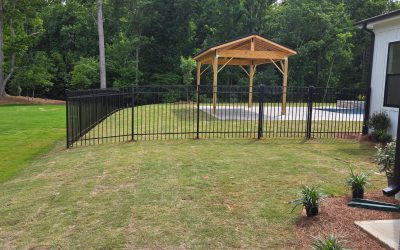
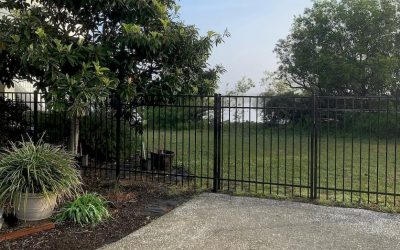
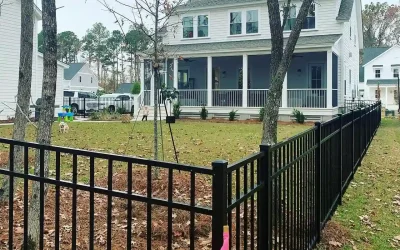
Wood is the most flexible material for custom heights but requires the most upkeep. Vinyl holds its color and resists rot, making it a strong choice for the Charleston climate. Composite offers the look of wood with far less maintenance. Aluminum isn’t used for privacy fencing. It’s an open-picket style by design, built for security and pool barrier applications where visibility matters more than screening. Wood or vinyl are the better fit for full privacy, an aluminum fence combined with solid landscaping can also provide a great privacy option.
Key takeaways
The best height for a privacy fence is 6 feet for most backyards, with 8 feet reserved for elevated sightlines, sloped lots, or high-security needs, and 3 to 4 feet for front yards where codes restrict taller structures.
| Point | Details |
|---|---|
| Six feet is the standard | Six feet blocks standing views and is typically permit-free in side and rear yards. |
| Location drives legal limits | Front yards are capped at 3 to 4 feet in most codes; rear yards allow up to 6 feet without a permit. |
| HOA rules can override local codes | Always check HOA documents before installation since restrictions are often stricter than municipal codes. |
| Eight feet adds cost and complexity | Taller fences require stronger posts, deeper footings, and usually a permit with engineered plans. |
| Layered solutions often outperform height alone | Combining a 6-foot fence with plantings or screens addresses elevated sightlines more cost-effectively than going to 8 feet. |
What I’ve learned about fence height after years of watching homeowners get it wrong
Most homeowners approach fence height as a simple math problem: taller equals more private. That logic is understandable, but it misses the actual geometry of privacy. I’ve seen 8-foot fences installed on flat lots where a 6-foot fence would have done the same job for thousands of dollars less. And I’ve seen 6-foot fences on sloped lots that left the homeowner completely exposed to a neighbor’s deck.
The real question is not “how tall should my fence be?” It’s “where are the sightlines I’m trying to block, and at what height do they originate?” That analysis takes 20 minutes with a tape measure and a willing helper. It saves you from over-building or under-building.
The other mistake I see constantly is skipping the code and HOA review until after the fence is ordered. Permit violations and HOA disputes are not just bureaucratic headaches. They can require you to remove and reinstall a fence at full cost. Checking local fence height guidelines before you commit to a height is not optional. It’s the first step.
Taller fences also affect your neighbors and your neighborhood’s visual character in ways that matter for long-term relationships. A well-chosen 6-foot fence that respects the street’s aesthetic will always serve you better than an 8-foot wall that creates friction with the people next door. Privacy and good neighbor relations are not mutually exclusive. The right height, the right material, and a few well-placed plants usually deliver both.
— SEO
Get the right privacy fence height installed by Fenceproscharleston
Choosing the correct fence height is only half the job. The installation has to be done right for the fence to hold up, comply with local codes, and actually deliver the privacy you’re paying for. Fenceproscharleston handles residential privacy fence installation across the greater Charleston area with in-house crews, no subcontractors, and over 300 five-star reviews from local homeowners. The team knows Charleston’s building codes, HOA patterns, and coastal wind requirements. If your project involves a pool, Fenceproscharleston also handles pool-compliant barriers that meet IRC standards. Get a transparent quote with no hidden fees and a clear recommendation on the height that fits your yard, your code, and your budget.
FAQ
What is the standard height for a backyard privacy fence?
Six feet is the standard height for backyard privacy fences in most U.S. jurisdictions. It blocks standing views from ground level and is typically allowed without a permit in side and rear yards.
Do I need a permit for an 8-foot privacy fence?
Yes, in most municipalities. Fences taller than 6 feet usually require a permit, which may include a property survey and engineered footing plans. Check with your local building department before installation.
How tall can a front yard fence be?
Most local codes cap front yard fences at 3 to 4 feet. This limit exists to preserve driver sightlines at intersections and maintain neighborhood visibility standards.
Will a 6-foot fence block my neighbor’s second-floor view?
Not reliably. A 6-foot fence blocks ground-level sightlines but not elevated views from decks or second-story windows. Combining a 6-foot fence with tall plantings or a privacy screen is a more cost-effective solution than installing an 8-foot fence.
Can my HOA restrict my fence height below what the city allows?
Yes. HOA rules frequently impose stricter height limits than local building codes, and they typically require written approval before you install any fence. Always review your HOA documents before committing to a height or purchasing materials.