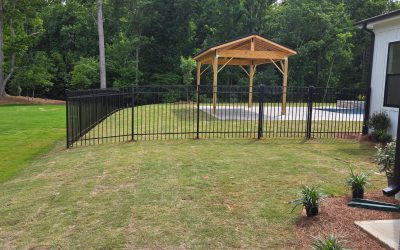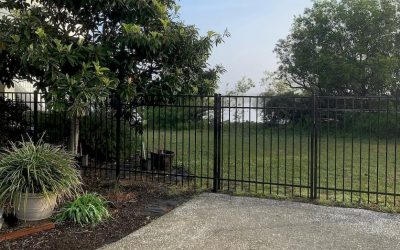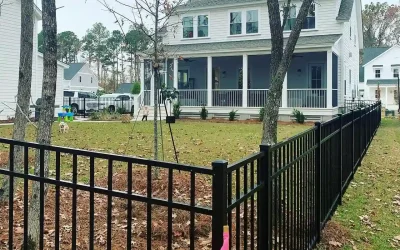

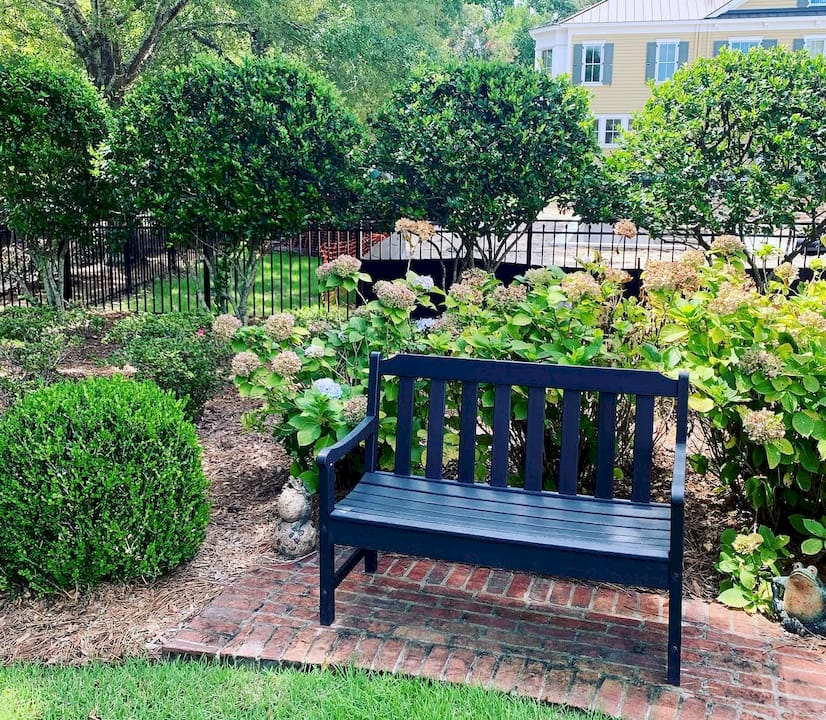
An elegant backyard fence is defined as a boundary structure that combines purposeful design, quality materials, and architectural harmony to enhance both the privacy and visual appeal of an outdoor space. The industry term for this category is “decorative privacy fencing,” and it covers everything from wood board-on-board panels to black aluminum slat systems. This article breaks down what makes a fence genuinely elegant, not just functional, covering the best materials, styles, and design decisions that homeowners in 2026 are using to transform their yards.
What is an elegant backyard fence, really?
An elegant backyard fence does more than mark a property line. It frames your outdoor space the way a well-chosen border frames a painting. Function shapes fence design; elegance follows once the functional goals are clear. Before you choose a material or style, define what you need the fence to do: block a neighbor’s sightline, contain children or pets, or simply add structure to an open yard.
The most refined fences share three traits. They use materials that age well, they match the home’s architectural language, and they handle privacy without looking like a wall. Architectural Digest, FenceTrac, and ECOgardener all point to the same principle: a fence that fights its surroundings never looks elegant, no matter how expensive the materials.
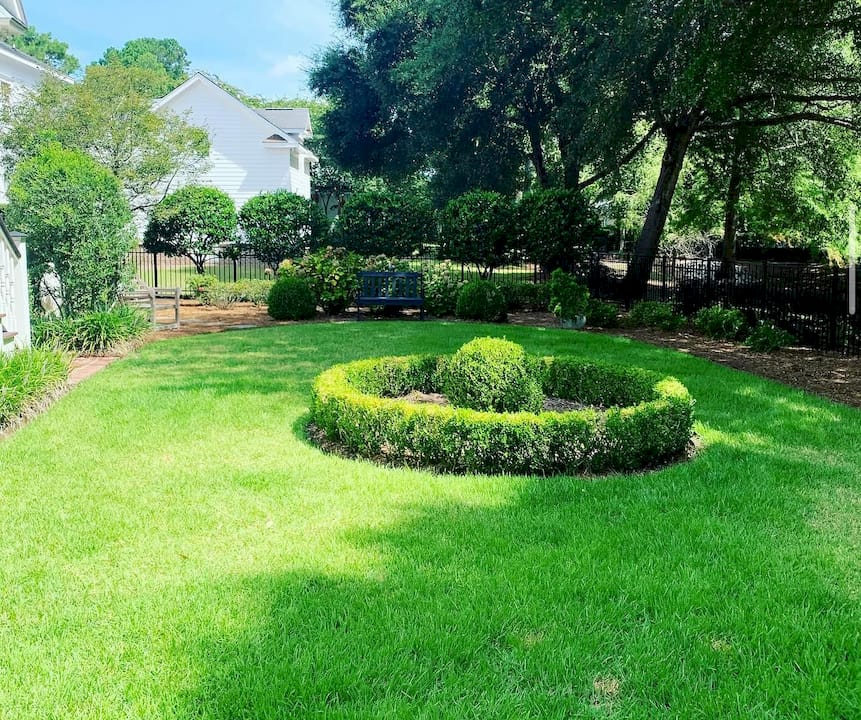
What materials and colors make a fence look elegant?
Material choice is the single biggest factor in how a fence reads visually. Each option carries a different weight, texture, and maintenance demand.
Wood
Wood is the classic choice for decorative privacy fencing. It resists rot and insects naturally, and takes stain well, which means you can match it to your home’s exterior trim. Wood requires regular maintenance; plan on cleaning and resealing every two to three years to keep the grain looking sharp. Left untreated, some wood weathers to a silver gray that some homeowners prefer, but the structural integrity suffers over time.
Vinyl and composite
Vinyl and composite panels cost more upfront than wood but save significantly on long-term care. Composite boards made from wood fiber and recycled plastic hold color without fading. They work especially well for horizontal slat designs where a clean, consistent surface matters.
Metal: aluminum and steel
Black steel frames with composite or aluminum infill using approximately 2 7/8 inch wide boards are the most specified modern fence design in 2026. That combination delivers a semi-transparent look that feels open without sacrificing privacy. Black aluminum is lighter than steel, requires no painting, and holds its finish for decades. It is the go-to choice for homeowners who want a premium look with minimal upkeep.
Pro Tip: Pair black aluminum framing with natural wood infill panels to get the warmth of timber and the durability of metal in a single fence system.
Here is a quick comparison of the four main material categories:
| Material | Durability | Maintenance | Upfront Cost |
|---|---|---|---|
| Wood | Moderate | High (stain every 2–3 years) | Low to moderate |
| Vinyl | High | Low (occasional wash) | Moderate |
| Composite | High | Very low | Moderate to high |
| Black Aluminum / Steel | Very high | Very low | Moderate to high |
Color trends in 2026 favor black frames with natural wood stains for infill panels. That contrast reads as deliberate and sophisticated rather than default. Avoid painting wood panels white unless your home is a traditional Colonial or cottage style, where white picket fencing genuinely fits the architecture.
Which fence styles work best for elegant yards?
Style selection depends almost entirely on your home’s architecture. Matching fence style to home architecture preserves visual harmony and strengthens curb appeal. A horizontal slat fence on a Victorian home looks as wrong as a white picket fence on a mid-century modern.
Horizontal slat fences
Horizontal slat fences are the defining style for modern and contemporary homes. The lines run parallel to the ground, which visually widens a yard and creates a calm, low-profile look. Spacing between boards is critical here. Too tight and the fence looks like a solid wall. Too open and it loses its privacy function.
Vertical board and picket styles
Vertical board fences, including board-on-board and tongue-and-groove designs, suit traditional, Colonial, and cottage-style homes. The vertical lines draw the eye upward, which makes a yard feel taller and more enclosed in a comfortable way. Picket fences work best as front-yard or garden borders rather than full privacy screens.
Mixed materials and decorative accents
Mixed materials like wood with metal posts or stone pillars add warmth and structural depth that single-material fences cannot match. A wood panel fence with powder-coated steel posts and a stone column at the gate entry reads as genuinely high-end. Iron cap details, decorative post toppers, and lattice inserts at the top of a solid panel are small additions that signal craftsmanship.
The best elegant fence ideas for family yards combine privacy with visual interest. Here are the styles that consistently deliver both:
-
Horizontal composite slats on black aluminum frames for modern homes
-
Board-on-board wood with steel posts for transitional or craftsman homes
-
Vertical tongue-and-groove with lattice tops for cottage and traditional homes
-
Mixed wood and stone pillar designs for estate or colonial properties
-
Decorative black aluminum with spear-top pickets for formal or classic homes
How do you balance privacy, airflow, and openness?
Privacy and airflow are not opposites in fence design. The right spacing and height deliver both. Residential privacy fences are typically installed at 6–8 feet, which covers most homeowner privacy needs without creating a fortress effect. Going taller than 8 feet often requires a permit and can feel oppressive in smaller yards.
A layered height approach works well for larger properties: taller panels near the patio or living area for maximum seclusion, lower sections along secondary borders to keep the yard feeling open. Designers use this strategy on estate properties to avoid the visual weight of a uniform 8-foot perimeter.
Horizontal slat fences require precise board widths and spacing to maintain airflow and a light appearance. Boards that are too wide create a solid wall effect. The approximately 2 7/8 inch board width used in modern steel frame systems is calibrated to let air pass while blocking direct sightlines.
Here is a practical design checklist for balancing privacy and openness:
-
Set the height based on the primary use zone: 8 feet near patios, 6 feet along side yards.
-
Choose board spacing based on the view you want to block, not just the distance to your neighbor.
-
Use trellis or lattice inserts at the top of solid panels to soften the visual weight.
-
Consider a living fence of dense shrubs like arborvitae or boxwood as a partial screen alongside a lower fence.
-
Place the tallest fence sections where you spend the most time outdoors.
Pro Tip: A 6-foot fence with a 12-inch lattice top gives you the visual height of a 7-foot fence while keeping the structure within most residential permit limits.
What practical factors should you consider before choosing?
Style and material decisions only hold up if they fit your budget, climate, and local rules. These practical factors separate a fence that looks good in a catalog from one that performs well for 20 years.
Modular systems using G90 galvanized steel frames with no visible fasteners create a premium, monolithic appearance that standard residential builds cannot replicate. Hidden fasteners are one of the clearest signs of quality in any fence system. If you can see the screws, the fence is not high-end.
Wood costs less upfront but demands more over time. Vinyl and composite cost more initially but require almost no maintenance beyond an annual wash. Metal systems sit in the middle on cost but at the top on longevity.
Before you finalize any design, check these practical boxes:
-
Professional installation: A fence installed by trained professionals with proper post depth and concrete footings lasts significantly longer than a DIY build. You can read more about what professional installation includes before committing to a contractor.
-
Hidden fasteners and smooth caps: These details signal quality and prevent water infiltration at connection points.
-
Warranty coverage: Quality fence companies back their work with a written warranty on both materials and labor.
The fence material options available today span a wide range of price points, and understanding the trade-offs between aluminum, vinyl, and wood before you get quotes puts you in a much stronger position.
Key takeaways
An elegant backyard fence requires matching materials, style, and height to your home’s architecture and your specific privacy goals before any aesthetic decisions are made.
| Point | Details |
|---|---|
| Function comes first | Define privacy, boundary, or containment goals before selecting materials or styles. |
| Material drives longevity | Composite and aluminum outperform wood in humid climates with far less maintenance. |
| Style must match architecture | Horizontal slats suit modern homes; vertical board and picket fit traditional styles. |
| Height and spacing balance privacy | Use 6–8 foot heights and precise board spacing to maintain airflow alongside seclusion. |
| Quality shows in the details | Hidden fasteners, smooth post caps, and professional installation separate elegant fences from average ones. |
Why most homeowners get fence design backwards
Most homeowners I have seen start with a Pinterest image and work backward to a material. That approach almost always produces a fence that looks slightly off, even when the individual components are high quality. The fence does not match the roofline, or the horizontal slats feel cold against a warm brick exterior, or the height is wrong for the yard’s scale.
The right sequence is the reverse. Start with the function: what does this fence need to do, and where does it need to do it most? Then look at the home’s architecture and find the style that echoes it. Only then should you select a material based on your climate and maintenance tolerance.
The detail that separates genuinely elegant fencing from expensive-looking fencing is restraint. One well-chosen material, one consistent color, and clean post caps will always outperform a fence that tries to incorporate three materials and two decorative styles at once. I have seen wood and black steel combinations on Charleston properties that look like they belong in an architecture magazine. I have also seen elaborate mixed-material fences that look cluttered because the homeowner added too many elements.
Invest in the installation as much as the material. A premium composite panel set in a shallow post with no concrete footing will look bad within three years. The same panel installed correctly by a professional crew will hold its line and its finish for 20 years or more.
How Fence Pros Charleston helps you get it right
Choosing the right fence is easier when you have a team that has installed hundreds of them in your specific climate and neighborhood context. Fenceproscharleston works exclusively with in-house crews, which means every installation is handled by trained, background-checked professionals, not subcontractors.
Whether you are looking for a decorative black aluminum fence for a modern home or a wood and vinyl privacy fence in Charleston for a traditional property, Fence Pros Charleston offers a transparent quote process with no hidden fees. The company has earned over 300 five-star reviews from local homeowners, and every project comes backed by a comprehensive warranty. If you are ready to move from ideas to installation, explore your options with a team that knows Charleston’s climate, HOA rules, and architectural styles.
FAQ
What makes a backyard fence look elegant?
An elegant fence uses materials that match the home’s architecture, maintains consistent color and spacing, and includes quality details like hidden fasteners and smooth post caps. Restraint in design, not complexity, produces the most refined results.
What is the best height for a privacy fence?
Residential privacy fences are typically 6–8 feet tall, which covers most sightline and privacy needs without requiring a special permit in most municipalities.
Which fence material lasts the longest with the least maintenance?
Black aluminum and composite materials offer the best combination of longevity and low maintenance. Vinyl and composite involve higher upfront costs but save significantly on long-term care compared to wood.
Do horizontal slat fences provide enough privacy?
Yes, when spaced correctly. Horizontal slat fences use approximately 2 7/8 inch boards to block direct sightlines while still allowing airflow, making them both private and visually light.
Should i match my fence style to my home’s architecture?
Matching fence style to home architecture is the most reliable way to achieve a cohesive, elegant look. Horizontal lines suit modern homes; vertical and picket styles suit traditional or cottage designs.