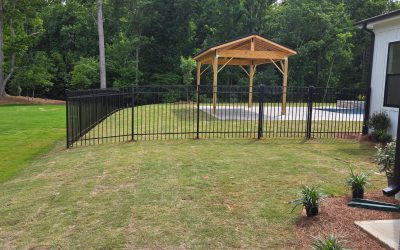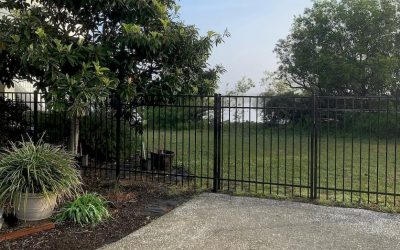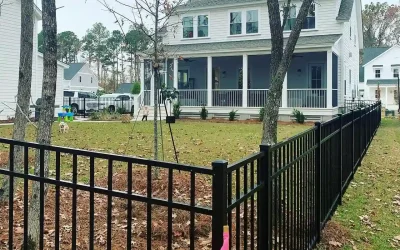

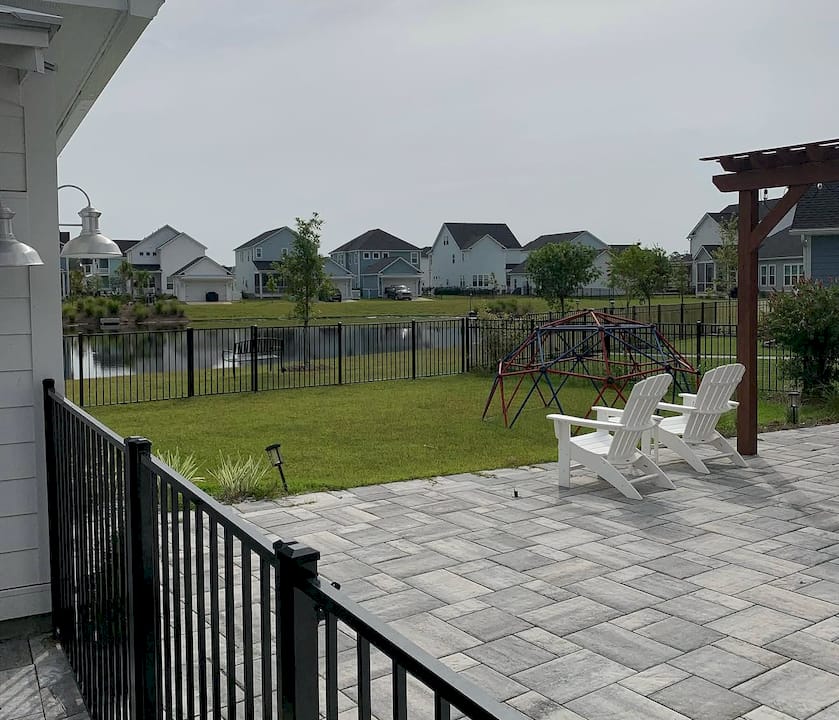
Aluminum fencing looks refined because it combines ornamental design precision with modern manufacturing technology that wood and wrought iron simply cannot match. The elegance of aluminum fences comes from powder-coated finishes, lightweight structural strength, and design flexibility that suits everything from colonial estates to minimalist modern builds. Understanding why aluminum fencing looks refined means looking past the material itself and into the engineering behind it. Fenceproscharleston installs aluminum fencing across the greater Charleston area and sees firsthand how these properties transform the moment a quality aluminum fence goes up.
What manufacturing features give aluminum fencing its refined appearance?
Aluminum fencing achieves its polished, architectural look through two core manufacturing advantages: advanced powder coating and structural design engineering. These are not cosmetic details. They are the reason aluminum fencing holds its appearance for decades while other materials deteriorate.
Modern powder coatings are applied electrostatically and cured at high temperatures, creating a molecular bond with the aluminum surface. The result is a finish 4x thicker than traditional paint, which resists UV fading, moisture, and physical impact. That thickness is what keeps a black aluminum fence looking sharp after five Charleston summers, not dull and chalky like painted wood.
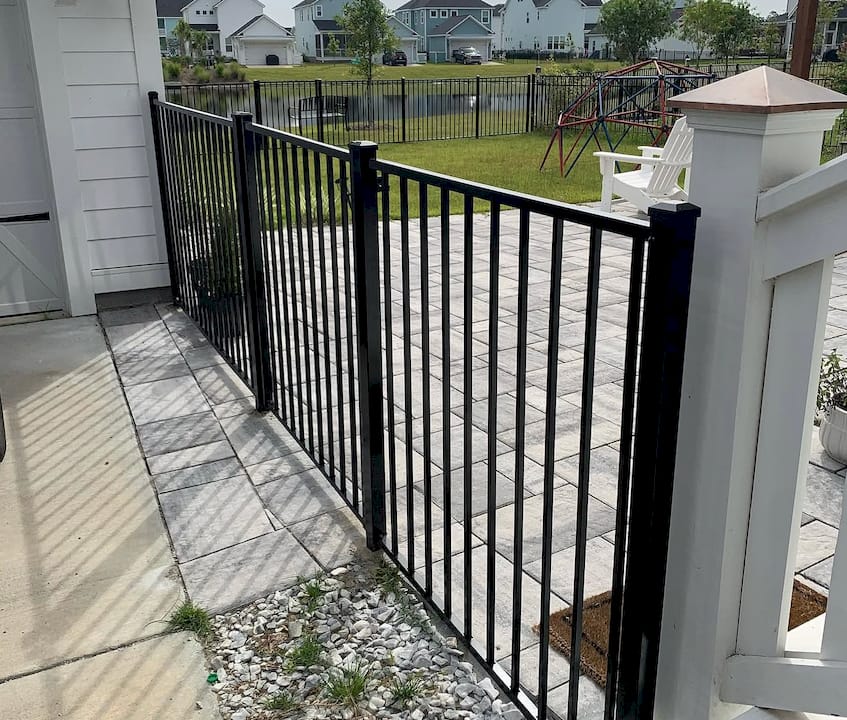
The structural side matters just as much. Aluminum is light enough to be shaped into intricate ornamental profiles, including spear tops, rings, and scrollwork, without the sagging that plagues heavy wrought iron over time. Manufacturers replicate classic wrought iron detailing in aluminum with precision, and the lighter weight means those details stay crisp and aligned for decades. A sagging fence panel destroys the refined look instantly. Aluminum prevents that.
One underappreciated feature is the rackable panel design. Rackable panels pivot to follow terrain slopes smoothly, avoiding the stair-stepped gaps that make cheaper fences look sloppy on uneven ground. A fence that follows the grade of a sloped yard with a continuous, clean top line reads as intentional and architectural. That is a detail most homeowners only notice when it is missing.
Pro Tip: When selecting a powder coat finish, ask for a TGIC polyester powder coat rated for exterior use. This grade bonds more deeply with aluminum and holds color longer in high-UV and coastal environments like Charleston.
-
Powder coat thickness: 4x thicker than standard paint, resisting chips and fading
-
Ornamental detailing: Spear tops, finials, scrollwork, and rings cast with precision
-
Rackable panels: Follow terrain grade for a clean, unbroken top line
-
Rust resistance: Naturally resistant to rust and corrosion, even in coastal and humid climates
How does aluminum compare visually to wrought iron and wood?
The comparison between aluminum, wrought iron, and wood is not close when aesthetics and longevity are both on the table. Each material has a distinct visual identity, but only aluminum sustains that identity over time without demanding constant intervention.
Wrought iron demands scraping and repainting every few years as its surface oxidizes and rust spreads. That maintenance cycle is expensive and visually disruptive. A fence mid-restoration looks worse than no fence at all. Aluminum’s bonded powder coat eliminates that cycle entirely. Wood warps, cracks, and grays without regular sealing and staining. Neither material holds a refined look passively. Aluminum does.
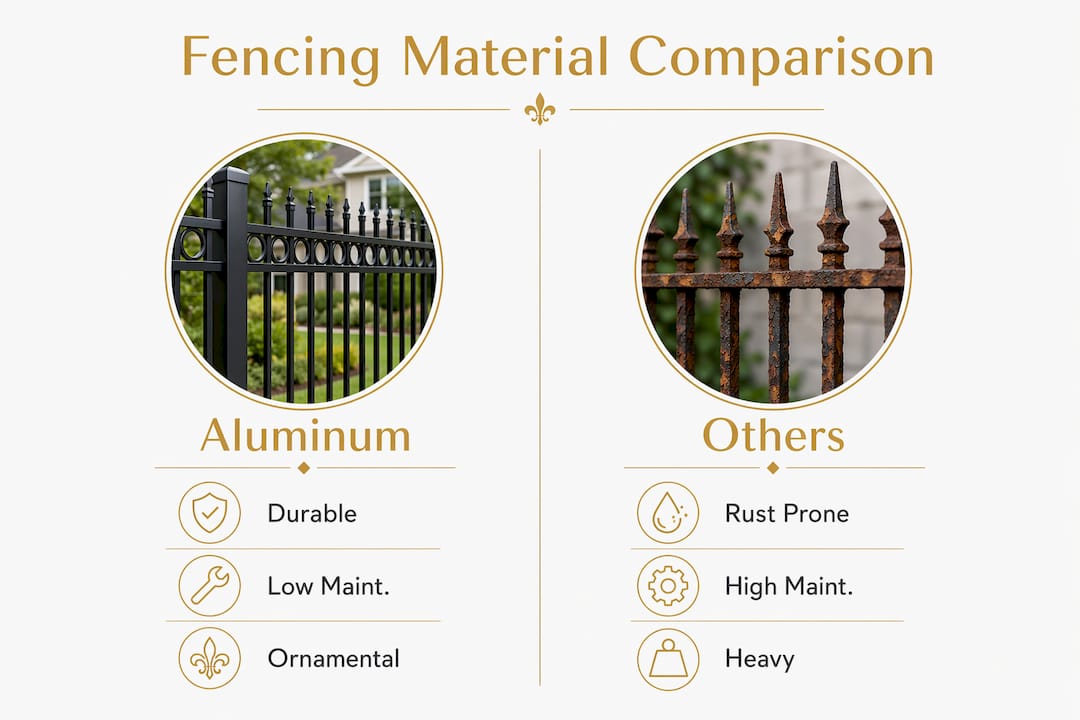
Weight is the other major factor. Wrought iron is heavy enough that panels can sag at the post connections over time, pulling the top rail out of alignment. Aluminum replicates ornamental designs at a fraction of the weight, which means installation is faster and the fence stays geometrically precise longer. Precision alignment is what separates a refined fence from a functional one.
| Feature | Aluminum | Wrought Iron | Wood |
|---|---|---|---|
| Appearance | Ornamental, clean lines | Classic, heavy | Natural, variable |
| Maintenance | Soap and water annually | Scraping and repainting every few years | Sealing and staining regularly |
| Lifespan | Up to 50 years | 20–30 years with upkeep | 10–20 years |
| Weight | Light | Very heavy | Moderate |
| Rust resistance | Full | None without treatment | Not applicable |
| Cost over time | Low | High | Moderate to high |
The lifespan difference is significant. Aluminum fencing lasts up to 50 years with proper care, compared to wood’s 10–20 year lifespan. That gap means a homeowner who installs aluminum once may never replace it. That is both a financial and aesthetic advantage.
How can aluminum fence design be customized to match your home?
Aluminum fencing’s design range is wider than most homeowners expect. The material is not limited to one style or one color. It adapts to the architectural language of the property it borders, which is a key reason for the elegance of aluminum fences across such different home types.
Matte finishes reduce glare and blend with styles from traditional brick colonials to modern minimalist homes. A flat-top aluminum fence in matte black reads as contemporary and restrained next to a craftsman bungalow. The same profile in a gloss bronze finish shifts the visual register toward classical and formal. The finish choice alone changes the entire character of the fence.
Design options available in aluminum include:
-
Flat-top panels: Clean horizontal lines for modern and minimalist architecture
-
Spear-top and finial caps: Traditional ornamental profiles for colonial and craftsman homes
-
Scrollwork and rings: Classical motifs that replicate historic wrought iron aesthetics
-
Puppy-picket spacing: Tighter picket gaps for properties with pets or small children, without sacrificing the open, airy look
-
Custom heights: From 3-foot decorative borders to 6-foot privacy configurations
Color choices extend well beyond black. Bronze, dark green, white, and silver are all standard options. Black remains the most popular for its contrast against landscaping and its compatibility with nearly every exterior palette. Ornamental aluminum fencing in black frames a garden bed or pool perimeter the way a picture frame sets off a painting. The fence becomes part of the composition, not just a boundary.
Pro Tip: For properties with mature trees or layered landscaping, choose a flat-top or low-profile spear-top style. Busy ornamental details compete visually with complex plantings. Simpler fence profiles let the landscaping lead.
What maintenance keeps aluminum fencing looking refined over time?
Aluminum fencing requires less maintenance than any comparable fencing material. That low maintenance threshold is not a compromise. It is a structural advantage built into the material and its finish.
A simple soap and water wash a few times annually keeps the high-end look intact without costly treatments. Compare that to wrought iron, which requires rust removal, priming, and repainting on a multi-year cycle, or wood, which needs sealing, staining, and board replacement as it ages. Aluminum’s maintenance routine is genuinely minimal.
Here is a practical annual care routine for aluminum fencing:
-
Wash twice yearly with mild dish soap and water using a soft brush or cloth. Remove pollen, salt residue, and dirt before they accumulate.
-
Inspect post connections in spring after freeze-thaw cycles or storm season. Check that posts are plumb and hardware is tight.
-
Touch up scratches immediately with a manufacturer-matched powder coat touch-up pen. Small scratches left untreated can allow moisture under the coating in extreme climates.
-
Clear debris from rail channels after storms. Leaves and organic matter trapped against the metal can hold moisture and accelerate surface wear over years.
Pro Tip: Most aluminum fence manufacturers sell color-matched touch-up kits. Keep one on hand after installation. A two-minute touch-up on a fresh scratch prevents a repair job five years later.
The powder coat’s resistance to UV, moisture, and physical damage means the fence looks the same in year fifteen as it did in year one. That consistency is the definition of a refined material choice.
How does aluminum fencing enhance property value?
The visual impact of aluminum fencing translates directly into property value. Curb appeal is not abstract. Buyers and appraisers respond to it in measurable ways, and a well-chosen fence is one of the fastest exterior upgrades a homeowner can make.
Aluminum fencing enhances curb appeal and property value by providing a secure, open aesthetic that appeals to buyers and fits HOA requirements in many urban neighborhoods. That last point matters in Charleston specifically. Many historic districts and planned communities have strict guidelines on fence materials and appearance. Aluminum consistently meets those standards where wood or chain link does not.
For property developers, aluminum fencing signals quality at the perimeter. A development where every lot has a clean, ornamental aluminum fence reads as a higher-tier community. That perception affects pricing power. For individual homeowners, the benefits of aluminum fencing include a fence that still looks new when the property goes to market, which removes one common buyer objection. A fence that needs replacement is a negotiating point against the seller. Aluminum eliminates that vulnerability.
The 50-year lifespan also changes the cost calculation entirely. A fence installed once and maintained with soap and water is a fundamentally different investment than one replaced every 15 years.
Key takeaways
Aluminum fencing looks refined because modern powder coating, ornamental precision, and rackable panel engineering work together to create a fence that holds its appearance for decades without demanding the upkeep that wood and wrought iron require.
| Point | Details |
|---|---|
| Powder coat durability | A finish 4x thicker than paint resists UV, moisture, and chipping for decades. |
| Ornamental precision | Aluminum replicates wrought iron detailing without the weight or sagging risk. |
| Design flexibility | Flat-top, spear-top, and scrollwork styles suit modern, colonial, and craftsman homes. |
| Minimal upkeep | Soap and water twice a year maintains the refined look without costly treatments. |
| Property value impact | Aluminum fencing meets HOA standards and holds its appearance through resale. |
What I’ve learned after years of watching aluminum fencing outperform expectations
Most homeowners come to aluminum fencing after being disappointed by something else. They had wood that rotted faster than promised, or wrought iron that rusted through a coastal winter. By the time they ask about aluminum, they are skeptical. That skepticism is understandable and also completely wrong.
The misconception I encounter most often is that aluminum looks “cheap” compared to wrought iron. That was true of early aluminum fencing products from the 1990s. It is not true of what is manufactured today. The powder coat technology, the ornamental casting quality, and the panel engineering have all advanced to the point where a well-installed aluminum fence is visually indistinguishable from wrought iron to most observers. The difference shows up in the maintenance bill, not the appearance.
The other thing I have noticed is that homeowners underestimate how much a fence frames the rest of the property. A refined fence does not just mark a boundary. It organizes the visual space of the yard, gives the landscaping a backdrop, and signals to anyone approaching the property that the owners care about detail. That signal is worth more than most people calculate when they are comparing fence quotes.
My honest recommendation for 2026: choose a matte black flat-top or spear-top aluminum fence for most residential applications. It is the most versatile finish, the most durable, and the one that photographs best when the property goes to market. Skip the gloss unless the architecture specifically calls for it. Gloss shows water spots and fingerprints in ways that matte does not.
Get a refined aluminum fence installed by Fenceproscharleston
Fenceproscharleston installs decorative black aluminum fencing across the greater Charleston area, handling every project with in-house crews, not subcontractors. Every installer is trained and background-checked, which is why the company has earned over 300 five-star reviews from local homeowners.
Fenceproscharleston offers custom aluminum fence designs with powder-coated finishes, fast installation turnarounds, and a comprehensive warranty. Whether you are upgrading a residential property, meeting HOA requirements, or installing code-compliant pool fencing, the team provides transparent quotes with no hidden fees. Contact Fenceproscharleston to get a quote and see what a properly installed aluminum fence does for your property.
FAQ
Why does aluminum fencing look more refined than wood?
Aluminum fencing holds its shape, color, and ornamental detail far longer than wood. Wood warps, grays, and requires regular sealing to maintain any visual quality, while aluminum’s powder coat finish stays sharp for decades with minimal care.
Can aluminum fencing really replicate the look of wrought iron?
Yes. Modern aluminum fencing replicates wrought iron details like spear tops, rings, and scrollwork with precision casting. The lighter weight actually improves the result because panels stay aligned and do not sag over time the way heavy iron can.
How long does aluminum fencing maintain its refined appearance?
Aluminum fencing lasts up to 50 years with proper care. The powder coat finish resists UV, moisture, and physical damage, so the fence looks consistent from installation through decades of use.
What is the best color for a refined aluminum fence?
Matte black is the most versatile and widely recommended finish. It contrasts cleanly with landscaping, suits nearly every architectural style, and matte finishes reduce glare while blending with both traditional and contemporary homes.
Does aluminum fencing meet HOA requirements?
Aluminum fencing consistently meets HOA aesthetic standards in urban and planned communities where wood and chain link are restricted. Its clean lines, consistent color, and ornamental options make it one of the most HOA-approved fencing materials available.