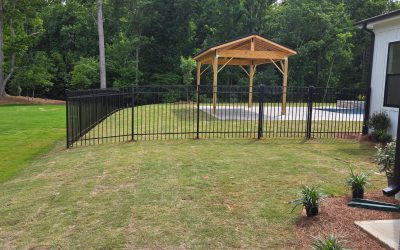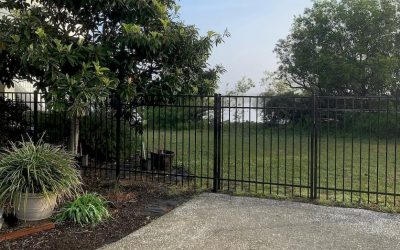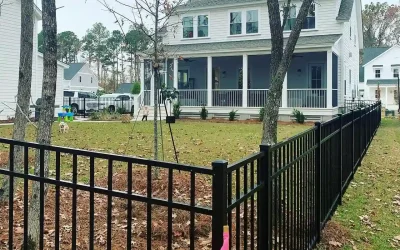

Hiring a local fence installer is defined as the process of identifying, vetting, and contracting a qualified professional to plan, permit, and build a fence on your residential property. For Charleston homeowners, this process matters more than most realize. The wrong hire leads to unlicensed work, failed inspections, and fences that lean within two years. The right hire delivers security, privacy, and curb appeal that holds up against the Lowcountry’s humidity and salt air. This hiring local fence installer guide walks you through every step, from verifying credentials to signing a contract that protects your investment.
What credentials should you verify before hiring a fence installer?
Credential verification is the single most important step in how to choose a fence installer. A contractor without proper licensing or insurance shifts all legal and financial risk onto you as the homeowner.
Licensing
Fence contractor licensing varies widely across states and municipalities. In South Carolina, license types include general contractor licenses, trade-specific licenses, and basic business licenses. That variation means you cannot assume a contractor is covered just because they hand you a card. Verify any license number directly through the South Carolina Contractor’s Licensing Board before signing anything.
Insurance
Require two types of coverage before work begins: general liability insurance and workers’ compensation. General liability covers property damage if a crew member breaks a sprinkler line or damages a neighbor’s structure. Workers’ compensation covers injuries on your property. Ask for certificates of insurance naming you as an additional insured, and call the insurer to confirm the policy is active.
Material Experience
Not all fence experience is equal. A contractor who specializes in wood privacy fences may not understand the post tension requirements for vinyl or the welding tolerances for ornamental aluminum. Ask specifically which materials they install most often and request photos of completed projects in each material type.
References and Recent Work
Ask for addresses of recent projects completed within the last 12–18 months, then drive by and look at the work yourself. A contractor who cannot provide recent references is signaling a problem. Look for straight lines, consistent post spacing, secure gate hardware, and clean finishes at corners and terminals.
-
Verify license number through the SC Contractor’s Licensing Board
-
Request certificates of insurance for liability and workers’ comp
-
Confirm material-specific experience with photos of past work
-
Personally visit at least two recent project addresses
-
Check Google, Houzz, or the Better Business Bureau for pattern complaints
Pro Tip: Ask the contractor how they handle post installation in sandy or clay-heavy soils. Charleston’s soil conditions vary significantly by neighborhood, and a knowledgeable installer will have a specific answer, not a generic one.
How do you compare written estimates for fence installation?
A written estimate is the clearest window into how a contractor runs their business. Vague bids are not just inconvenient. They are a warning sign.
Invest 2–3 hours to collect bids from 3–5 contractors before making any decision. Typical fence installation costs in Charleston range between $1,500 and $4,000 depending on material, linear footage, terrain, and gate count. That range is wide enough that a low bid can look attractive while hiding serious gaps in scope.
What an itemized estimate should include
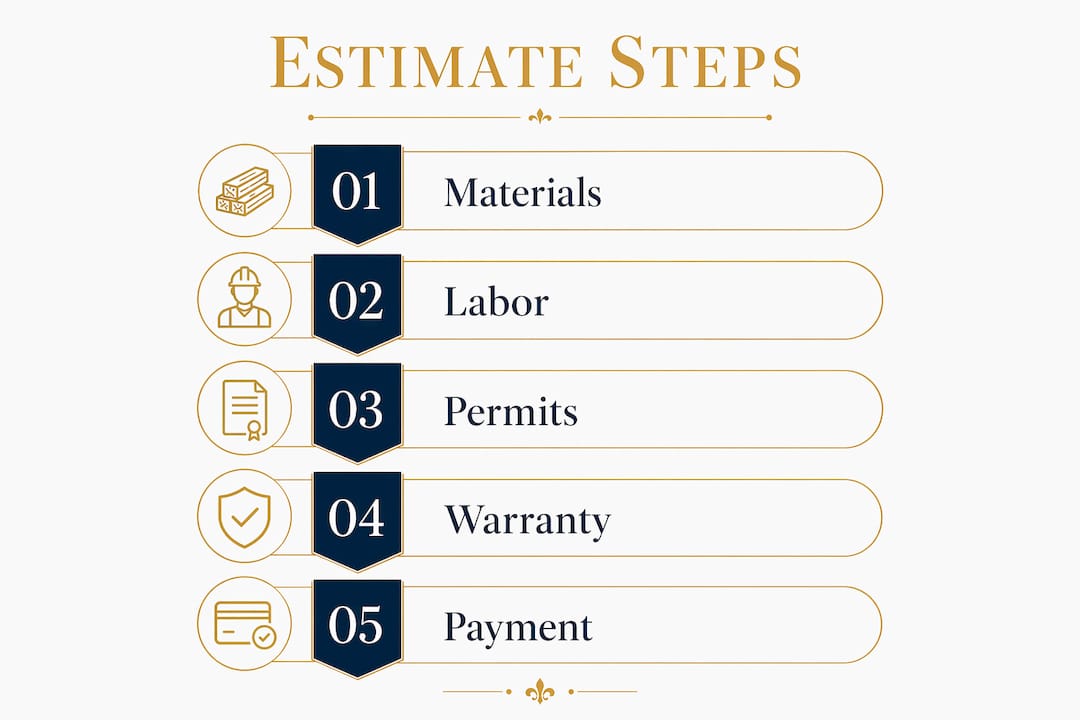
Every written bid should break out the following line items separately: materials with grade specifications, labor, permit fees, utility locating fees, site prep, and cleanup. If a bid lists only a total number with no breakdown, ask for itemization. Detailed written contracts specifying post depth, material grades, and contingency handling reduce cost overruns and disputes after work begins. A contractor unwilling to itemize is a contractor who plans to adjust the price later.
Red flags in bids
| Warning Sign | What It Signals |
|---|---|
| No permit fees listed | Contractor plans to skip permits |
| Vague material description (“wood posts”) | Grade and size unspecified, leaving room for cheaper substitutes |
| Upfront deposit over 50% | Financial risk to homeowner; potential for project abandonment |
| No contingency clause | Unexpected rock or roots will trigger surprise charges |
| Verbal-only quote | No legal protection if scope changes |
Payment schedules that protect you
A reasonable deposit is 10–30% upfront to cover material procurement. The balance should be tied to project milestones: a payment at post setting, another at rail and picket completion, and a final payment after your walkthrough and approval. Payment schedules requiring over 50% upfront are a recognized scam pattern in the home services industry. Never pay the full balance before the job is complete and inspected.
Pro Tip: When comparing bids, create a simple spreadsheet with line items as rows and each contractor as a column. This makes it immediately obvious when one bid omits permit fees or uses a lower material grade.
What should you expect during the fence installation process?
Understanding the installation workflow helps you recognize quality work and catch problems before they become permanent.
Professional fence installation follows a defined sequence: site survey, permit application, utility locating, site preparation, post setting, rail and picket installation, gate hardware, and final cleanup. Skipping any step is not efficiency. It is a shortcut that shortens your fence’s lifespan.
-
Site survey and property line confirmation. The installer marks your property lines using your plat or survey documents. Installing even one foot onto a neighbor’s property creates legal liability.
-
Permit application. Treating permits as optional leads to costly delays. A professional integrates permitting into the project timeline from day one. In Charleston, fence permits are required for most residential installations and HOA approvals may run parallel.
-
Utility locating via 811. Calling 811 before digging is required by law in South Carolina. This step identifies buried gas, water, and electrical lines.
-
Post setting. Posts go in first, set in concrete or driven steel depending on soil conditions. Concrete post footings require a minimum 48–72 hours of curing before rails are attached. Rushing this step is one of the most common causes of fence failure within the first year.
-
Rail and picket installation. Rails attach to posts, then pickets or panels attach to rails. Gate frames go in during this phase.
-
Gate hardware and adjustments. Hinges, latches, and self-closing mechanisms require precise alignment. Pool safety gates in Charleston must meet specific code requirements for latch height and self-closing function.
-
Cleanup and final walkthrough. A professional crew removes all debris, concrete bags, and packaging. You walk the fence line together before final payment.
| Installation Phase | Typical Duration |
|---|---|
| Permit approval | 3–10 business days |
| Post setting and concrete cure | 2–3 days |
| Rail and picket installation | 1–2 days |
| Gate hardware and finishing | Half day to 1 day |
| Final inspection | 1 day |
How do you avoid common mistakes when hiring fence contractors?
The most expensive fence mistakes in Charleston are not material choices. They are hiring decisions made without enough information.
Skipping the written contract is the single most avoidable error. Verbal quotes lead to disagreements about scope, material quality, and cleanup responsibilities. A signed contract with post depth, material specifications, permit responsibilities, and a payment schedule gives you legal standing if anything goes wrong.
Paying too much upfront puts you in a weak position. Once a contractor has more than 30% of the project value in hand, your leverage disappears. Tie every payment to a completed, inspectable milestone.
Ignoring soil and site conditions is a mistake that shows up two years later. Driven steel posts with proper drainage outperform concrete plugs in challenging soils, reducing leaning and heaving. Ask your installer specifically how they handle Charleston’s sandy coastal soils versus the clay soils found further inland.
Relying on online photos alone for reference checks misses the full picture. Photos can be borrowed, staged, or outdated. Drive to actual project addresses and look at the fence in person.
-
Never sign a contract without itemized scope, materials, and payment terms
-
Do not pay more than 30% upfront under any circumstances
-
Require a contingency clause for rock, root, or underground obstruction costs
-
Confirm the contractor pulls permits, not you
-
Get a lien waiver at final payment to protect against unpaid subcontractor claims
“A fence is only as good as the contract behind it. If the paperwork is vague, the fence will be too.”
For additional guidance on avoiding contractor selection mistakes, the contractor vetting tips from the home services space apply directly to fence hiring decisions.
Key takeaways
Hiring a qualified local fence installer requires verifying credentials, securing itemized written contracts, and understanding the full installation sequence before work begins.
| Point | Details |
|---|---|
| Verify credentials first | Confirm licensing through the SC Contractor’s Licensing Board and request active insurance certificates before any agreement. |
| Collect 3–5 written bids | Compare itemized estimates to catch missing permit fees, vague material specs, or inflated deposits. |
| Limit upfront deposits | Pay no more than 10–30% upfront and tie all remaining payments to completed, inspectable milestones. |
| Understand the installation sequence | Know the seven steps from site survey to final walkthrough so you can recognize quality work and flag shortcuts. |
| Get everything in writing | A signed contract with post depth, material grades, and contingency clauses is your only legal protection if disputes arise. |
What i’ve learned after watching hundreds of fence projects go right and wrong
The homeowners who get the best fences are not always the ones who spend the most. They are the ones who ask the most specific questions before signing anything.
The question I find most revealing is this: “How do you handle post installation in our specific soil type?” A contractor who gives a generic answer about concrete has probably not thought carefully about your site. A contractor who asks about your neighborhood, mentions drainage considerations, or references local soil conditions is demonstrating real regional knowledge. That specificity is worth more than a low bid.
Price shopping is natural, but the fence installation cost guide framing misses the bigger risk. A $500 savings on a bid from an uninsured contractor can turn into a $5,000 problem if a crew member is injured on your property or if the fence fails a permit inspection. The benefits of hiring local installers with verifiable track records in Charleston go beyond convenience. Local contractors know the permit office, understand HOA patterns in specific neighborhoods, and have reputations to protect in the community.
One more thing most articles skip: ask your installer how they handle disputes. Not whether disputes happen, but how they handle them. A confident, experienced contractor will walk you through their process without hesitation. Evasion on that question tells you everything you need to know before you sign.
Get a fence quote from charleston’s most trusted local installer
If you have worked through this guide and you are ready to move forward, Fenceproscharleston makes the next step straightforward. Every project is handled by trained, background-checked professionals on staff. No subcontractors. No surprises on the invoice.

Fenceproscharleston serves Charleston homeowners with security fencing solutions, wood and vinyl privacy fencing, and code-compliant pool fencing built to local permit standards. The company’s transparent quoting process means you receive a fully itemized estimate with no hidden fees. With over 300 five-star reviews and a comprehensive warranty, Fenceproscharleston is the local installer Charleston homeowners call first. Contact them today for a consultation and get your project on the schedule.
FAQ
What does a local fence installer do that a national company cannot?
A local installer knows Charleston’s permit office, HOA patterns, and soil conditions by neighborhood. That regional knowledge reduces delays and improves installation quality in ways a national franchise cannot replicate.
How much does fence installation cost in charleston?
Typical fence installation costs in Charleston range between $1,500 and $4,000 depending on material, linear footage, and gate count. Always request an itemized written estimate to understand exactly what drives your specific project cost.
What questions should i ask a fence contractor before hiring?
Ask about licensing, insurance, material experience, how they handle permits, and what their payment schedule looks like. Also ask how they handle unexpected site conditions like buried roots or rock.
How do i know if a fence contractor is legitimate?
Verify their license number through the SC Contractor’s Licensing Board, request active insurance certificates, and personally visit addresses of recent projects. A contractor who cannot provide recent references or proof of insurance is not a safe hire.
What is a fair deposit for fence installation?
A fair upfront deposit is 10–30% of the total project cost to cover material procurement. Any request for more than 50% upfront is a recognized warning sign and should disqualify that contractor from consideration.