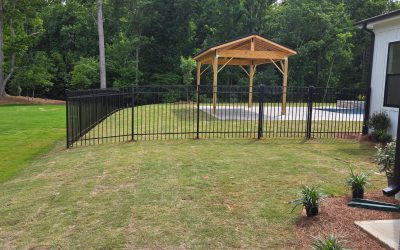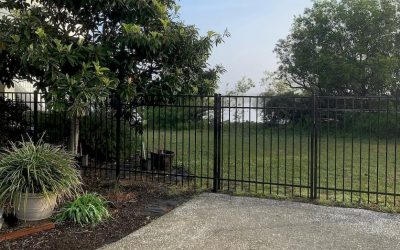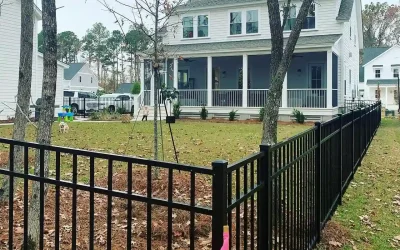

Traditional residential fencing is defined as classic, widely used fence designs built primarily from wood, including picket fences and solid wood privacy fences that mark property boundaries while adding curb appeal. These styles have shaped American neighborhoods for generations, and they remain the most requested fence types among homeowners today. Whether you are buying a new property or upgrading your current yard, understanding what traditional residential fencing includes, how each style performs, and what installation requires will help you make a confident, informed decision.
What is traditional residential fencing?
Traditional residential fencing refers to classic fence styles rooted in wood construction, designed to define property lines, provide privacy, and enhance a home’s visual character. The two most recognized examples are the picket fence and the board-on-board privacy fence. Both have been standard residential fence options across the United States for well over a century, and both remain practical choices for modern homeowners.
A fence, at its core, is a structure that separates one property from another. Traditional styles go further by doing that job with a visual language that fits most home architectures, from colonial to craftsman to cottage. The materials, proportions, and spacing of each style carry meaning. A low picket fence signals openness and welcome. A tall privacy fence signals seclusion and security. Choosing between them starts with understanding what each one actually does.
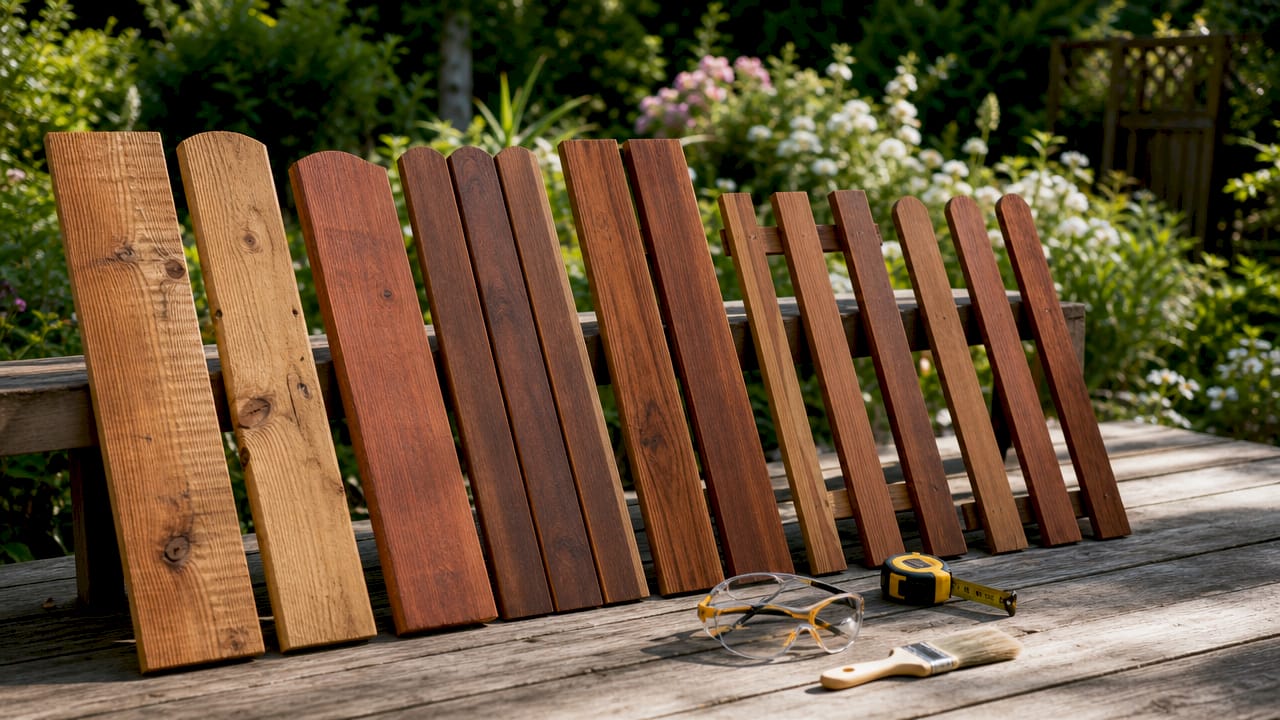
Common styles and materials used in traditional fencing
Traditional fence styles break down into a handful of well-established categories, each with distinct design logic and practical strengths.
-
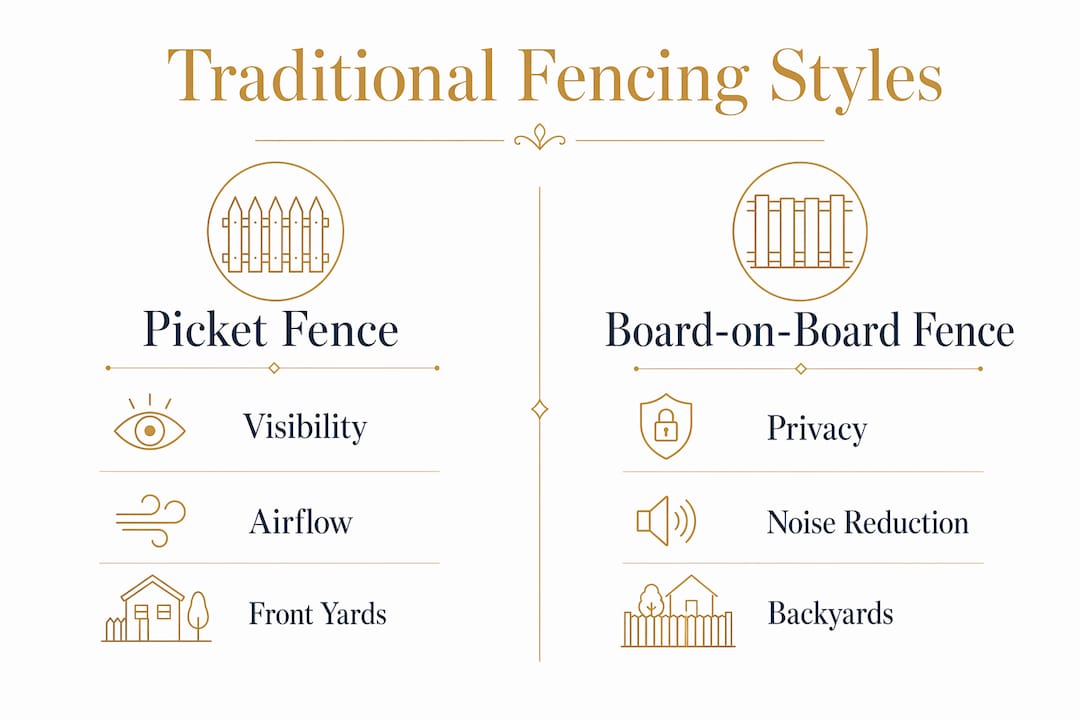
Picket fences are built from vertical boards, called pickets, evenly spaced along horizontal rails. Picket fences typically stand 3 to 4 feet tall with pointed tops and pickets spaced 1.5 to 2.5 inches apart. That spacing allows light, air, and sightlines to pass through, which makes them ideal for front yards where visibility and neighborhood connection matter more than privacy.
-
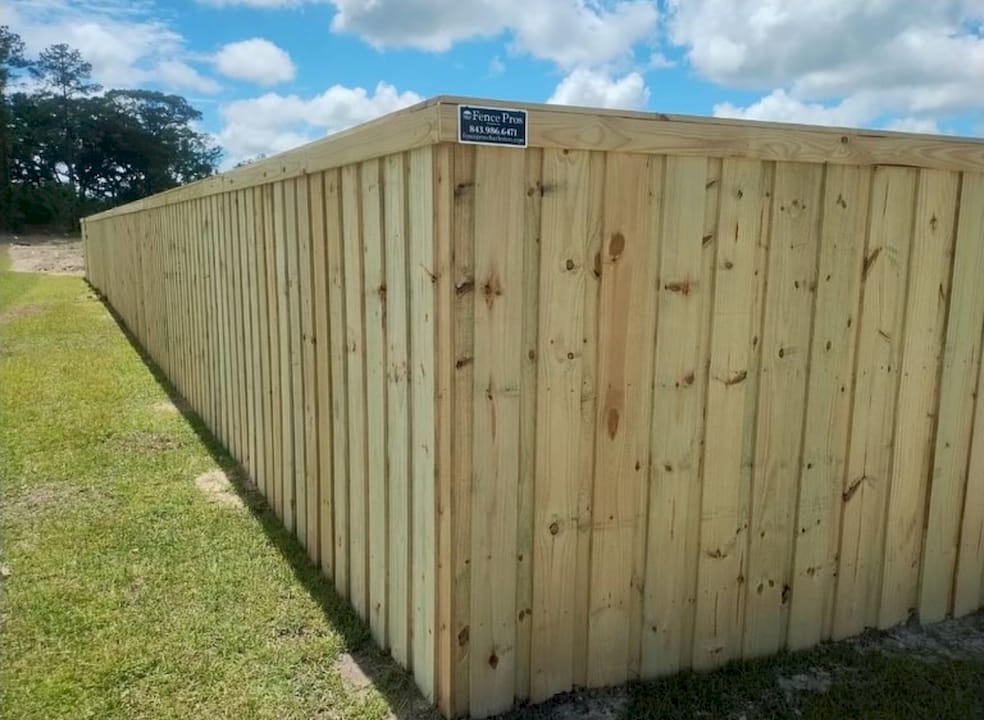
Board-on-board privacy fences use overlapping vertical boards on alternating sides of a horizontal rail. This design eliminates gaps between boards and is sometimes called a “good neighbor” fence because it looks finished from both sides. It also compensates for wood shrinkage over time, which is a real advantage in humid climates like Charleston.
-
Split rail fences use two or three horizontal rails set into notched posts with no vertical boards at all. They define boundaries without blocking views, making them a natural fit for rural properties, large lots, or homes with landscape-forward designs.
-
Stockade fences line up vertical boards tightly side by side with pointed tops. They offer solid privacy but lack the refined look of board-on-board construction.
When it comes to materials, cedar and redwood are the traditional premium choices because both resist rot and insects naturally. Pine is more affordable and widely available, though it requires pressure treatment and more frequent sealing. Vinyl picket fencing has grown in popularity as a lower-maintenance alternative that mimics the look of painted wood without the upkeep demands.
Pro Tip: If you are installing a wood fence in a coastal or high-humidity region, cedar outperforms pine significantly in resisting moisture damage. The upfront cost difference pays for itself within the first few years of reduced maintenance.
What are the benefits of traditional residential fencing?
Traditional fencing delivers value across four areas that homeowners consistently prioritize: privacy, security, aesthetics, and property value. Here is how each benefit breaks down in practice.
-
Privacy. Board-on-board fences create a solid visual barrier between your yard and the street or neighboring properties. Privacy in wood fences comes down to gap control. Overlapping boards block direct sightlines even as wood expands and contracts with seasons, which aligned-board designs cannot guarantee over time.
-
Security. A 6-foot privacy fence raises the physical and psychological barrier to entry for your property. While no fence is impenetrable, height and solid construction deter casual trespassers and keep children and pets safely contained. Fencing around pools also addresses HOA security requirements and local safety codes that many municipalities enforce.
-
Curb appeal and property value. A well-built picket fence along a front yard is one of the most recognized visual cues of a cared-for home. Traditional fence styles complement most American residential architecture in ways that chain link or aluminum panels simply do not. Real estate professionals consistently note that quality fencing improves first impressions and perceived property value.
-
Neighborhood fit. Traditional styles blend into established neighborhoods without drawing complaints from neighbors or HOA boards. Modern materials like steel or glass panels can trigger aesthetic objections. A cedar board-on-board fence almost never does.
The trade-off is maintenance. Wood fences require regular staining and sealing to prevent rot and weather damage, unlike vinyl or composite alternatives. Plan for resealing every two to three years and inspect for rot or loose boards annually. That upkeep cost is real, but it is manageable when factored into your total ownership budget from the start.
Installation considerations and local regulations
Installing a traditional fence involves more than digging post holes. The process has legal, logistical, and structural dimensions that catch many homeowners off guard.
The standard installation method sets wooden posts in concrete-filled holes dug 2 to 3 feet deep, depending on fence height and local frost depth. Posts anchor the entire structure, so their depth and spacing determine long-term stability. Rails attach horizontally between posts, and boards or pickets fasten to the rails. For a 6-foot privacy fence, posts typically go in every 6 to 8 feet.
Permits are a common requirement that homeowners underestimate. Permits for fence installation are typically required for front-yard fences, fences over 6 feet tall, corner lots, and properties near easements, with approval times ranging from 1 to 5 days and costs between $20 and $200. Many jurisdictions exempt backyard fences under 6 feet, but front-yard fences almost always require compliance review. Skipping this step can result in forced removal and reinstallation at your expense.
| Fence location | Permit typically required? | Common height limit |
|---|---|---|
| Backyard | Often not (under 6 ft) | 6 feet |
| Front yard | Yes, in most jurisdictions | 3 to 4 feet |
| Corner lot | Yes, with sightline rules | Varies by code |
| Near easement | Yes, with setback review | Varies by code |
Fence layout planning must account for different height allowances and openness requirements for front, side, and rear segments, especially on corner lots where driveway sightlines are regulated. Proper planning prevents legal rework and improves safety.
Pro Tip: Before purchasing a single board, hire a surveyor or pull your property plat to confirm your exact boundary lines. Fences built even a few inches over the line can require full removal under local ordinance.
Compliance with codes and HOA rules is non-negotiable. Height limits, setback lines, and easement restrictions directly affect where and how you can build. Knowing these constraints before you buy materials saves both money and frustration.
How to choose the right traditional fence style for your property
Selecting the right fence comes down to matching your specific needs to the strengths of each style. Fence selection involves balancing privacy, security, aesthetics, and cost, with no single best choice. Fit matters most.
-
Define your primary goal. If privacy is the priority, board-on-board is the clear answer. If boundary definition and curb appeal matter more than seclusion, a picket fence delivers better value at lower cost.
-
Match your home’s architecture. A craftsman bungalow looks natural with a painted wood picket fence. A larger colonial or traditional two-story home pairs well with a 6-foot cedar privacy fence. Mismatched styles draw attention for the wrong reasons.
-
Assess your maintenance commitment honestly. Wood fences are beautiful, but they demand consistent care. If you travel frequently or prefer a set-it-and-forget-it approach, vinyl picket or composite materials offer the traditional look with far less upkeep.
-
Check your neighborhood context. HOA rules, local ordinances, and the visual character of your street all shape what is appropriate. A fence that clashes with neighboring properties or violates covenant rules creates ongoing problems.
-
Weigh professional installation against DIY. A professional installer brings experience with local codes, proper post-setting technique, and material sourcing. DIY installation saves money upfront but increases the risk of misaligned posts, permit errors, and premature failure. For a fence you expect to last 15 to 20 years, professional installation is worth the investment. You can review what to expect from the process in this homeowner’s installation guide before committing to a contractor.
Key takeaways
Traditional residential fencing built from wood, specifically picket and board-on-board styles, delivers the most reliable combination of curb appeal, privacy, and neighborhood compatibility for American homeowners.
| Point | Details |
|---|---|
| Core definition | Traditional residential fencing means classic wood styles like picket and board-on-board privacy fences. |
| Privacy mechanism | Board-on-board overlapping boards eliminate gaps and maintain privacy as wood shrinks over time. |
| Permit requirements | Front-yard fences and fences over 6 feet almost always require a permit costing $20 to $200. |
| Maintenance trade-off | Wood fences need resealing every 2 to 3 years; vinyl alternatives reduce upkeep but cost more upfront. |
| Selection priority | Match fence style to your primary goal, home architecture, and HOA rules before buying materials. |
Why traditional fencing still wins in most neighborhoods
I have seen homeowners chase trends with steel cable fences, horizontal slat designs, and glass panels, only to circle back to cedar board-on-board or a classic picket when they realize the neighborhood just does not support the modern look. Traditional fencing is not a compromise. It is the style that has survived because it solves the actual problem: defining space, creating privacy, and making a home look like someone cares about it.
The most common mistake I see is homeowners choosing a fence based on photos from a design blog rather than walking their own street and looking at what actually fits. A fence that photographs beautifully in a modern California yard can look completely out of place on a Charleston street lined with 1940s cottages. Context is everything.
The other thing worth saying plainly: wood maintenance is not as burdensome as people fear. A weekend every two to three years with a pressure washer and a brush-on sealer keeps a cedar fence looking sharp for 20 years. The homeowners who complain about wood upkeep are usually the ones who skipped the first sealing after installation and let moisture get a foothold. Start right, and the maintenance schedule is genuinely manageable.
One trend I do find worth watching is the combination of traditional wood framing with composite or cellular PVC boards. You get the post-and-rail structure of a classic privacy fence with boards that will not rot, warp, or need sealing. The look is nearly identical to cedar at 10 feet. The cost is higher upfront, but the 30-year lifespan math often favors it for homeowners who plan to stay in their homes long-term.
— SEO
Get your traditional fence installed right the first time
Choosing the right fence style is only half the job. The other half is making sure it goes in correctly, meets local code, and lasts for decades without problems.
Fenceproscharleston installs wood picket fences, board-on-board privacy fences in Charleston, and custom traditional styles across the greater Charleston area. Every installation is handled by trained, background-checked professionals with no subcontractors involved. Fenceproscharleston has earned over 300 five-star reviews by handling permits, property line verification, and material selection as part of the process, not as add-ons. Get a transparent, no-hidden-fee quote by visiting Fenceproscharleston’s residential fencing page and see why Charleston homeowners trust them to get it right the first time.
FAQ
What is a traditional residential fence made of?
Traditional residential fences are most commonly built from cedar, pine, or redwood, with cedar being the preferred choice for its natural rot resistance. Vinyl picket fencing is also used as a lower-maintenance alternative that replicates the classic wood look.
How tall should a traditional privacy fence be?
Most residential privacy fences stand 6 feet tall, which is the standard height that provides visual screening while staying within the permit-exempt threshold in many backyard jurisdictions. Front-yard fences typically max out at 3 to 4 feet under local code.
Do I need a permit for a traditional wood fence?
Permits are required for most front-yard fences, fences over 6 feet, and fences on corner lots or near easements, with costs typically ranging from $20 to $200. Backyard fences under 6 feet are often exempt, but local rules vary and should always be verified before installation begins.
What is the difference between a picket fence and a board-on-board fence?
A picket fence uses evenly spaced vertical boards that allow visibility and airflow, making it ideal for front yards and decorative boundaries. A board-on-board fence overlaps boards on alternating sides of the rail to eliminate gaps and create a solid privacy barrier suited for backyards and high-traffic streets.
How often does a wood fence need maintenance?
Wood fences typically require cleaning and resealing every two to three years to prevent rot, warping, and weather damage. Cedar and redwood extend that interval slightly due to their natural oils, while pressure-treated pine needs more consistent attention in humid or coastal climates.