
Vinyl fencing is defined as a synthetic PVC-based fencing system engineered for long-term outdoor performance, and its benefits over wood, aluminum, and chain-link are measurable across durability, maintenance, privacy, and cost. The industry term for the material is PVC fencing, though “vinyl fencing” is the phrase most homeowners and contractors use interchangeably. For property owners in the Charleston area and beyond, the advantages of vinyl fences come down to one core reality: you get a fence that looks sharp, holds up in tough weather, and asks almost nothing from you in return. This guide breaks down every major benefit with specifics, so you can decide whether vinyl is the right call for your property.
1. Benefits of vinyl fencing: durability that outlasts the competition
Vinyl fencing delivers a 25 to 30-year lifespan under normal conditions, with premium-grade installations reaching 40 to 50 years. Wood fences, by comparison, average 15 to 20 years. That gap represents a full extra decade of service before you face replacement costs.
The material itself explains the performance gap. PVC does not absorb moisture, so rot and decay are not factors. Vinyl fences resist termites and wood-boring insects entirely, because there is no organic material for pests to consume. That alone eliminates one of the most common and expensive failure modes for wood fencing in humid climates like coastal South Carolina.
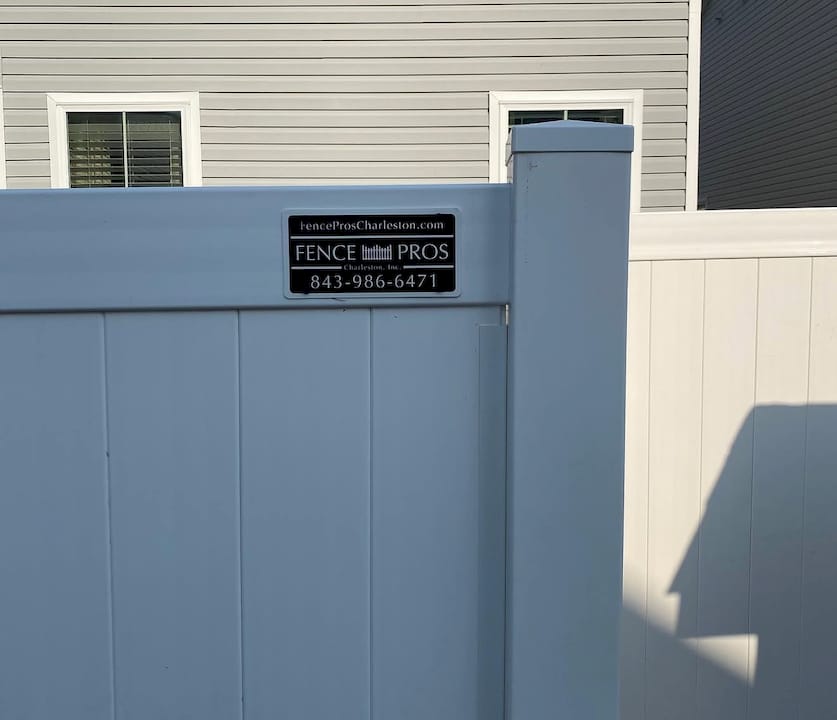
UV degradation is the other major threat to outdoor fencing. Premium vinyl with titanium dioxide UV stabilizers shows no meaningful chalking or yellowing for 10 to 15 years. Low-grade recycled vinyl, by contrast, can show visible degradation in as few as 3 to 5 years. The difference is not cosmetic preference. It is a material science decision that determines whether your fence looks good in year 12 or looks like a mistake.
PVC flexes with temperature swings rather than cracking, unlike iron or wood that warp and rust under thermal stress. This structural flexibility makes vinyl particularly well-suited to regions with wide seasonal temperature ranges.
| Material | Typical Lifespan | Rot Resistance | Pest Resistance | UV Stability |
|---|---|---|---|---|
| Vinyl (premium) | 30 to 50 years | Excellent | Excellent | Excellent |
| Wood (cedar) | 15 to 20 years | Moderate | Poor | Poor |
| Aluminum | 20 to 30 years | Excellent | Excellent | Good |
| Chain-link | 15 to 20 years | Poor | Excellent | Good |
Pro Tip: Always ask your supplier whether the vinyl uses virgin PVC or recycled regrind. Virgin PVC with adequate titanium dioxide content is the only formulation that reliably delivers the 30-plus-year performance numbers you see advertised.
2. Vinyl fence maintenance benefits: what you actually have to do
Vinyl fencing requires only simple annual inspection and cleaning to maintain its appearance and structural integrity. No painting, staining, or sealing is ever required. That is not a marketing claim. It is a direct result of PVC’s non-porous surface, which does not absorb water, dirt, or UV damage the way wood grain does.
For wood fencing, the math on upkeep is sobering. Homeowners avoid $1,500 to $4,000 in staining, sealing, and painting costs over 20 years by choosing vinyl instead. That figure does not include labor if you hire out the work, which pushes the real savings higher for most households.
The actual maintenance routine for a vinyl fence looks like this:
-
Annual rinse: Use a garden hose or pressure washer on a low setting to remove dirt, pollen, and mildew from the surface.
-
Panel inspection: Walk the fence line once a year and check for any loose posts, cracked panels, or hardware that needs tightening.
-
Spot cleaning: A mild soap solution removes stubborn stains. Avoid abrasive scrubbers that can scratch the surface.
-
Hardware check: Inspect gate hinges and latches for corrosion, especially in coastal environments with salt air exposure.
One misconception worth addressing: “zero maintenance” is not the same as “no attention ever.” Vinyl fencing is low maintenance, not maintenance-free. A 30-minute annual walkthrough protects your investment and catches minor issues before they become panel replacements.
Pro Tip: Add your fence inspection to a property maintenance checklist alongside your HVAC filter change and gutter cleaning. Pairing it with a seasonal task means it actually gets done.
3. Privacy and aesthetic advantages of vinyl fences
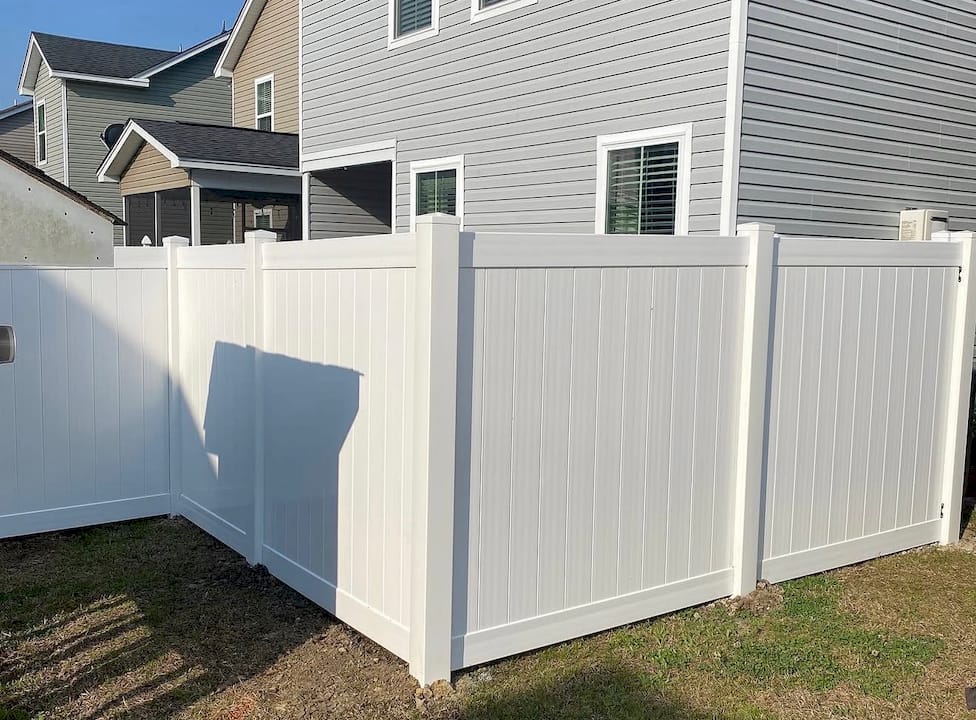
Vinyl fencing delivers complete visual privacy through opaque panels with no gaps between boards. Opaque panels provide long-lasting privacy that wood privacy fences struggle to match over time, because wood boards shrink, warp, and separate as they age. A vinyl privacy fence installed today looks the same in year 15 as it did on installation day, assuming proper material grade and installation.
The design range is broader than most homeowners expect. Vinyl is available in privacy, semi-privacy, picket, ranch rail, and decorative styles. Color options extend well beyond white, with tan, gray, and wood-grain textures now widely available. This means you can match your fence to your home’s exterior without sacrificing the material’s performance advantages.
| Style | Privacy Level | Best Use Case | Aesthetic Appeal |
|---|---|---|---|
| Full privacy panel | Complete | Backyard, pool enclosure | Clean, modern |
| Semi-privacy | Partial | Side yards, garden borders | Open yet defined |
| Picket | Minimal | Front yards, decorative | Classic, traditional |
| Ranch rail | None | Large lots, rural properties | Open, rustic |
Curb appeal is a practical financial consideration, not just a vanity metric. A well-maintained fence in a neutral or complementary color adds to perceived property value. Because vinyl does not peel, fade significantly, or require repainting, it holds that curb appeal contribution year after year without additional investment.
4. Why professional installation determines long-term performance
Improper installation is the number one cause of premature vinyl fence failure. The material itself is not the problem in most early-failure cases. The installation is. This distinction matters because it means choosing the right contractor is as important as choosing the right material.
Professional installation for vinyl fencing must address four specific requirements:
-
Post footing depth: Posts must be set below the frost line in cold climates to prevent seasonal heaving. In Charleston, the frost line is shallow, but wind load from coastal storms makes deep, concrete-set footings non-negotiable.
-
Thermal expansion spacing: Proper installation integrates spacing for vinyl’s natural expansion and contraction across temperature cycles. Panels installed too tightly will buckle in summer heat.
-
Reinforced rails: High-quality installations use aluminum-reinforced rails inside the vinyl extrusion, particularly for long fence runs and privacy panels that catch wind.
-
Corrosion-resistant fasteners: Stainless steel or galvanized hardware prevents rust staining on the fence surface, which is especially relevant in coastal environments.
Cutting corners on any of these four points produces sagging panels, cracked posts, and a fence that fails years before its rated lifespan. The risks of poor installation are compounded by the fact that vinyl panels cannot be sanded or patched like wood. Damaged sections require full panel replacement, which makes prevention far cheaper than repair.
5. How the cost of vinyl fencing compares over time
Vinyl fencing’s upfront cost is comparable to cedar wood fencing, which surprises many homeowners who assume vinyl is a budget option. It is not. Vinyl sits in the mid-to-premium price range for residential fencing materials, alongside cedar and just below ornamental aluminum.
The financial case for vinyl becomes clear when you calculate lifecycle cost rather than purchase price:
-
No repainting or staining: Saves $1,500 to $4,000 over 20 years compared to wood.
-
No rot or pest treatment: Eliminates periodic chemical treatments and board replacements common with wood in humid climates.
-
Longer replacement cycle: A 30 to 50-year lifespan means you may never replace the fence during your ownership of the property.
-
Consistent appearance: No need to repaint before selling, which is a real cost homeowners often overlook when budgeting for wood fencing.
The total cost of ownership for vinyl fencing is lower than wood over any period beyond 10 years. The upfront investment is real, but the ongoing cost is close to zero. For homeowners who plan to stay in their property for more than a decade, vinyl fencing is worth it on pure financial grounds, before factoring in time saved on maintenance.
Key takeaways
Vinyl fencing outperforms wood and most metal alternatives in lifespan, maintenance cost, and privacy performance when installed with premium-grade PVC and proper technique.
| Point | Details |
|---|---|
| Durability advantage | Premium vinyl lasts 30 to 50 years versus 15 to 20 years for wood fencing. |
| Maintenance savings | Homeowners avoid $1,500 to $4,000 in wood upkeep costs over 20 years. |
| Privacy performance | Opaque panels deliver complete privacy that holds up without warping or gapping. |
| Installation quality | Professional installation with correct footing depth and expansion spacing is critical to long-term performance. |
| Lifecycle cost | Vinyl’s total ownership cost beats wood beyond the 10-year mark despite similar upfront pricing. |
Why I think most homeowners underestimate the installation variable
After seeing hundreds of fence projects across the Charleston area, the single most consistent pattern I have observed is this: homeowners spend significant time comparing vinyl to wood on material specs, then hand the job to whoever quotes the lowest price. That sequence produces the worst possible outcome. You buy a 40-year material and get a 10-year installation.
The material grade conversation matters too. Recycled or regrind vinyl is cheaper and looks identical to virgin PVC in a showroom. It does not look identical in year seven when it starts chalking and yellowing. Always ask for the product spec sheet and confirm titanium dioxide content before signing anything.
My honest recommendation for any homeowner evaluating vinyl fencing: budget for a qualified fence contractor the same way you would budget for a licensed electrician. The material is only as good as the hands that install it. A reputable installer who understands your local climate, soil conditions, and wind exposure will deliver a fence that performs exactly as advertised. One who does not will cost you more in repairs and replacement than you saved on the original quote.
The other misconception I see regularly is that vinyl fencing is a one-size product. It is not. Understanding your fence material options before committing to vinyl, and within vinyl before choosing a style and grade, separates homeowners who are satisfied with their investment from those who are not.
Get a professional vinyl fence installed by Fenceproscharleston
Fenceproscharleston installs vinyl fencing for homeowners across the greater Charleston area using only in-house, background-checked professionals. No subcontractors. Every installation is handled by trained crews who understand coastal climate requirements, including proper post depth, expansion spacing, and corrosion-resistant hardware.
With over 300 five-star reviews and a comprehensive warranty on installations, Fenceproscharleston delivers the kind of result that holds up for decades, not just seasons. Whether you need a full privacy fence solution for your backyard, a pool-compliant enclosure, or a decorative front-yard picket fence, the team provides transparent quotes with no hidden fees. Visit Fenceproscharleston to request your free estimate today.
FAQ
How long does vinyl fencing typically last?
High-quality vinyl fencing lasts 25 to 30 years under standard conditions, with premium installations reaching 40 to 50 years. Wood fencing averages 15 to 20 years by comparison.
Does vinyl fencing require painting or staining?
No. Vinyl fencing never requires painting, staining, or sealing. An annual rinse and basic inspection are all the upkeep the material needs to maintain its appearance and structural integrity.
Is vinyl fencing worth the upfront cost?
Vinyl fencing’s upfront price is comparable to cedar, but its lifecycle cost beats wood beyond the 10-year mark due to zero maintenance expenses and a longer replacement cycle.
What causes vinyl fences to fail early?
Improper installation is the primary cause of premature vinyl fence failure, specifically inadequate post depth, missing thermal expansion gaps, and low-grade recycled PVC material rather than virgin PVC.
Can vinyl fencing provide complete backyard privacy?
Yes. Full-panel vinyl privacy fencing uses opaque boards with no gaps, delivering complete visual privacy that holds its form over decades without the warping or board separation common in aging wood privacy fences.